
Adaptive Charging: Is It Worth Switching to Smart Technologies?
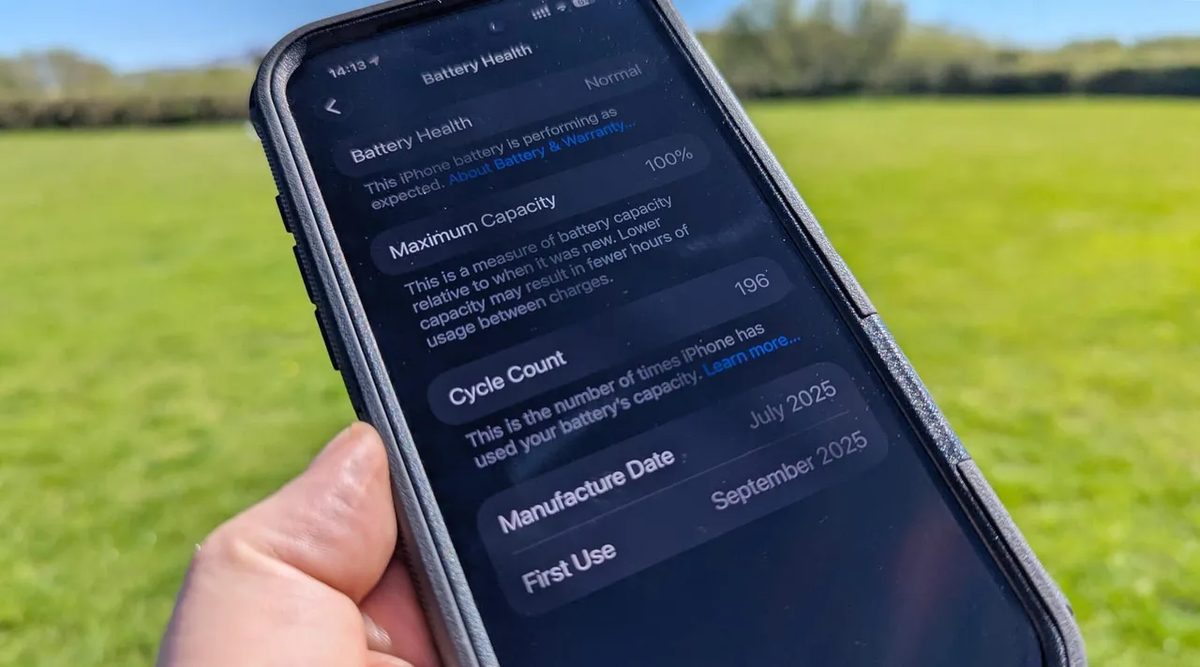
Photo: ZDNet
Quick answer
Современные зарядные устройства давно перестали быть простыми блоками питания. Они оснащены интеллектуальными системами, которые регулируют мощность и напряжение, чтобы продлить срок службы аккумуляторов. Однако появление адаптивных зарядок вывело этот процесс на новый уровень. Такие устройства не просто контролируют параметры, но и подстраивают режим зарядки под конкретную модель смартфона, снижая износ батареи. Но действительно ли это необходимо, и какие преимущества дает такая технология на практике?
Adaptive chargers represent the next step in the evolution of mobile device charging. Their primary goal is to minimize battery wear by adjusting power at different charging stages. For example, the Anker Nano 45W starts with fast charging at 45W, then reduces power to 20–30W for the main phase, and switches to trickle mode (10W) at the final stage. This approach is particularly useful for overnight charging when the device remains connected for extended periods.
Tests show that adaptive chargers do work: device and charger temperatures drop by 10–15°C, which positively impacts battery longevity. However, the technology has limitations. Full adaptive mode support is available only for a limited number of models, primarily iPhones starting from the 15 series and iPad Pros from 2020 onward. For other devices, the effect will be less pronounced, though power reduction still provides benefits.
If you’re not ready to purchase a new charger, a compromise is possible: use fast charging during the day and connect a low-power adapter (around 20W) at night. This helps avoid overheating and extends battery life. Among available models, the Anker Nano 45W with certified Care Mode and the Ugreen Uno 100W, which automatically switches to trickle mode after the main charge, stand out.
Is switching to adaptive chargers worth it? It depends on your priorities. If you want to maximize the lifespan of an expensive smartphone’s battery, the technology is justified. However, if charging speed is more important, standard solutions with proper usage habits can suffice. In any case, temperature and power control are key factors in preserving battery capacity for years to come.
Common questions
- Common questions
- Современные зарядные устройства давно перестали быть простыми блоками питания. Они оснащены интеллектуальными системами, которые регулируют мощность и напряжение, чтобы продлить срок службы аккумуляторов. Однако появление адаптивных зарядок вывело этот процесс на новый уровень. Такие устройства не просто контролируют параметры, но и подстраивают режим зарядки под конкретную модель смартфона, снижая износ батареи. Но действительно ли это необходимо, и какие преимущества дает такая технология на практике?
Dzen feed: /feed/dzen.xml · RSS: /feed.xml