
AMD Removes Memory Encryption Support from Consumer Processors
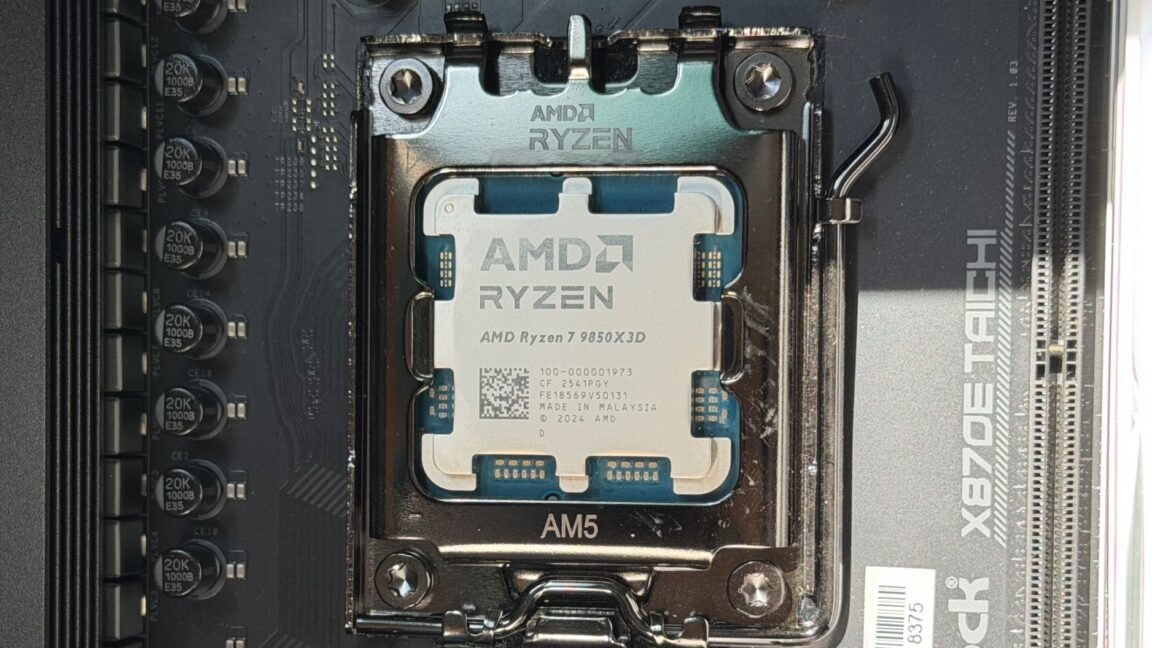
Photo: Ars Technica
Quick answer
AMD secretly disabled hardware memory encryption TSME in consumer CPUs, retaining it only for EPYC server processors. This reduces data protection levels on home and office PCs.
AMD has quietly removed support for Transparent Secure Memory Encryption (TSME) from its consumer processors without official notice. This feature provided hardware-level encryption for RAM, protecting data against attacks via physical access to devices—such as laptop theft or RAM module extraction.
Previously available in Ryzen and Athlon processors, TSME is now exclusive to AMD EPYC server solutions. Users report that the changes were implemented without announcements, drawing criticism from the IT community. The issue is particularly pressing for owners of workstations and home PCs, where data security remains a top priority.
Experts speculate that AMD may have removed TSME from consumer segments due to low demand or technical constraints. However, the lack of transparency in this decision undermines brand trust. Alternative solutions, such as software-based disk encryption, do not offer the same level of protection for data in RAM.
Common questions
- What is TSME in AMD processors?
- TSME (Transparent Secure Memory Encryption) is a hardware-based RAM encryption technology that protects data from extraction during physical device access. It was previously supported in AMD consumer CPUs.
- Why are users criticizing AMD for removing TSME?
- Users argue that AMD compromised security for consumer devices by removing TSME without warning. The feature is now limited to expensive EPYC server processors.
- Can TSME be bypassed in new AMD CPUs?
- Hardware memory encryption TSME cannot be enabled via software. Alternatives like disk encryption software exist, but they do not protect data in RAM.
Dzen feed: /feed/dzen.xml · RSS: /feed.xml