
Automakers Rush into the Energy Storage Systems Market
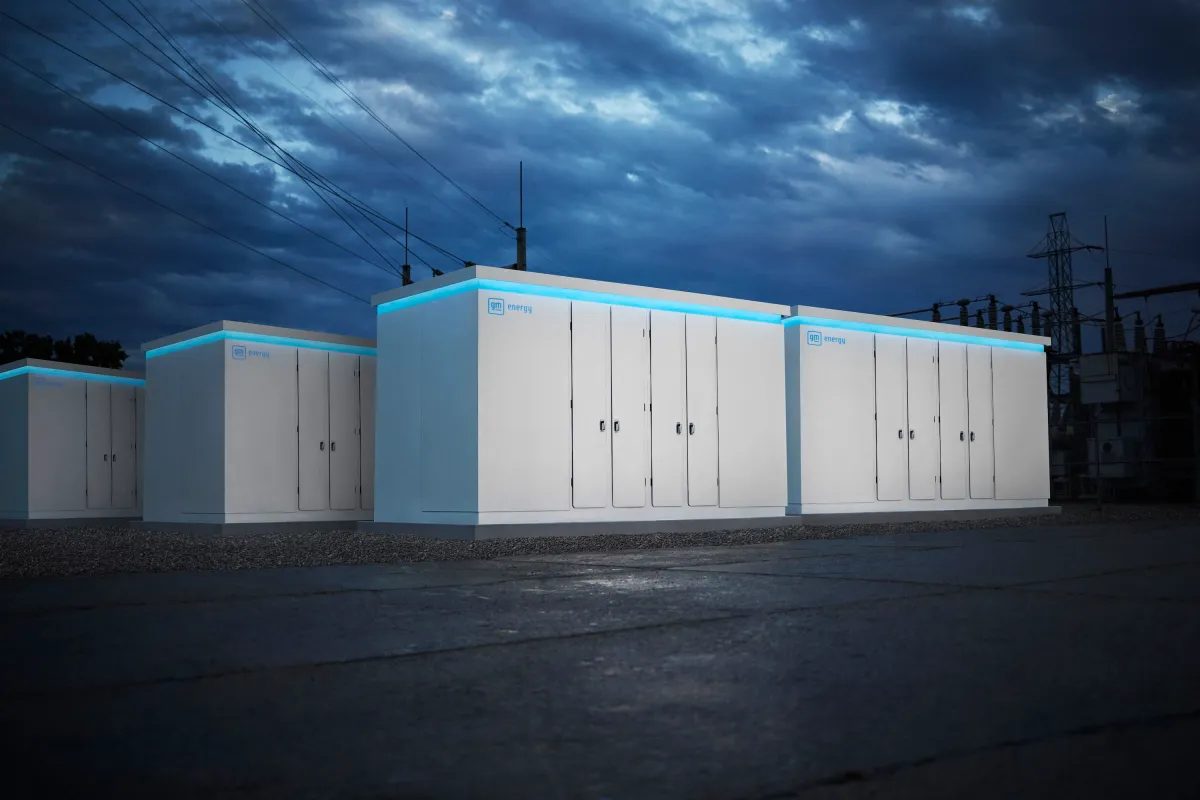
Photo: TechCrunch
Quick answer
Automakers, including GM and Tesla, are actively developing energy storage systems due to high profit margins (up to 30%) and growing demand from data centers and economic electrification.
The energy storage systems market is growing rapidly, having doubled in size over the past two years, with annual volumes expected to exceed 110 GWh by 2030. Key demand drivers include AI data centers, electrification of transportation and industry, and increased energy consumption in heating and ventilation systems. Automakers, traditionally focused on electric vehicles, are increasingly entering this segment, where profit margins reach 30%—twice as high as those for EV sales.
Tesla remains the market leader, accounting for 82% of all installed capacity in 2023. The company doubled its energy division revenue over the year, driven by demand for its Megapack and Powerwall solutions. However, competitors are not conceding: General Motors (GM) has introduced a new sodium-ion battery technology that could be a breakthrough for stationary storage systems. Unlike lithium-ion counterparts, sodium-ion batteries do not require expensive cooling systems, are cheaper to produce, and are more resilient to charge-discharge cycles.
GM is in no rush to bring the innovation to market, with the first commercial samples not expected before the end of the decade. However, the company sees strategic advantages in the technology, as sodium-ion batteries are not dependent on Chinese raw material supplies, unlike lithium-ion batteries, where China controls nearly the entire cobalt production chain. In parallel, GM is developing lithium-manganese (LMR) batteries, which could reduce the cost of electric vehicles by 10% by 2028, bringing them closer to the price of internal combustion engine vehicles.
Despite risks of market growth slowdown, GM is confident in the prospects of sodium-ion technologies. Even in the event of a decline in data center demand, the company expects its products to remain competitive. Meanwhile, Tesla continues to strengthen its position, and startups like Base Power and Lunar Energy are attracting billions in investments as they seek to carve out their niche in the growing segment.
Common questions
- Why are automakers investing in energy storage systems?
- The stationary battery market is growing faster than the EV segment and offers higher profit margins—up to 30%. Demand is fueled by AI data centers and industrial electrification.
- What are the advantages of GM’s sodium-ion batteries?
- Sodium-ion batteries are cheaper to produce, do not require active cooling, and support more charge cycles. They also reduce dependence on Chinese suppliers of raw materials like cobalt.
- What market share does Tesla control?
- In 2023, Tesla accounted for 82% of all installed stationary energy storage systems, outperforming competitors with its Megapack and Powerwall products.
Dzen feed: /feed/dzen.xml · RSS: /feed.xml