
IBM Challenges Moore's Law with Breakthrough Chip Amid European Energy Crisis
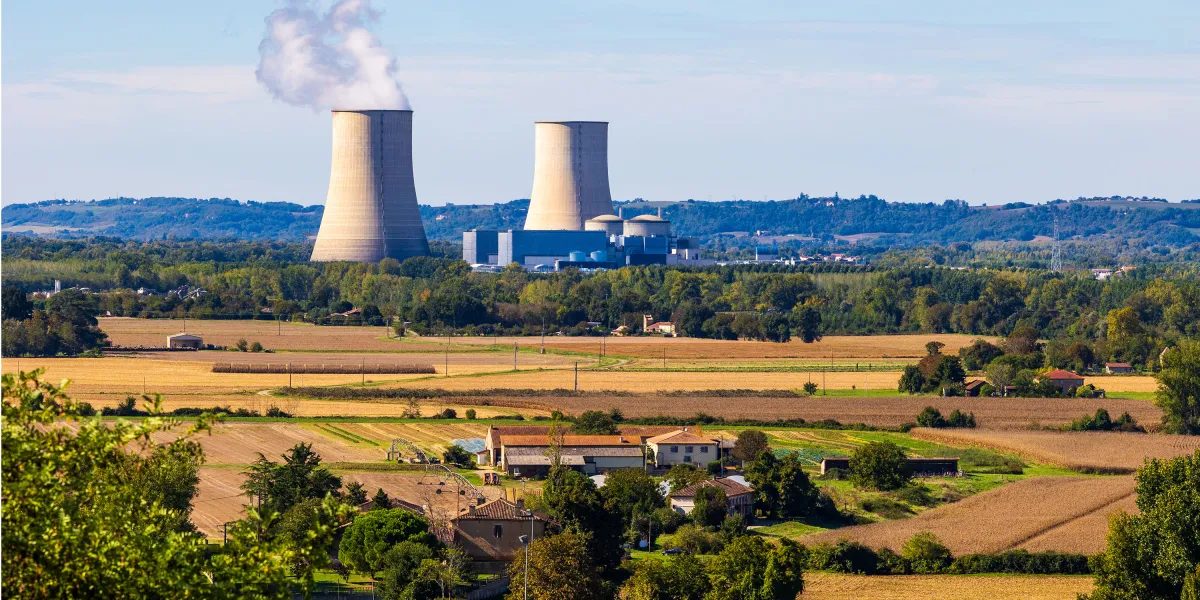
Photo: MIT Technology Review
Quick answer
IBM has developed a chip that overcomes Moore’s Law limitations, delivering significant performance gains in semiconductor technology.
Europe’s summer heatwave has posed a severe challenge to energy infrastructure. Record temperatures have driven a sharp rise in electricity consumption, particularly in regions reliant on air conditioning. Grid operators warn of potential outages, risking stability for data centers and telecom companies.
Amid this, IBM has unveiled a new processor that could revolutionize the semiconductor industry. The company claims the chip can overcome the constraints imposed by Moore’s Law, which has shown signs of slowing in recent years. Its innovative architecture enhances performance while reducing energy consumption—a critical factor for AI and cloud technologies.
Experts suggest IBM’s new chip could act as a catalyst for the next phase of IT industry growth. Its applications span high-performance computing to edge computing, making it highly relevant amid surging demand for computational power.
Common questions
- What is Moore’s Law, and why is it important for IT?
- Moore’s Law states that the number of transistors on a chip doubles every two years, driving performance growth. Its slowdown threatens technological advancement, making innovations like IBM’s chip critically important.
- How does heat affect Europe’s energy systems?
- Extreme temperatures increase energy demand for cooling, straining power grids and risking disruptions to data centers and IT infrastructure.
- What advantages does IBM’s new chip offer?
- IBM’s chip leverages advanced technologies to boost energy efficiency and performance, crucial for AI, cloud computing, and high-performance systems.
Dzen feed: /feed/dzen.xml · RSS: /feed.xml