
Gel Batteries Replace Lithium-Ion: Safety and Efficiency
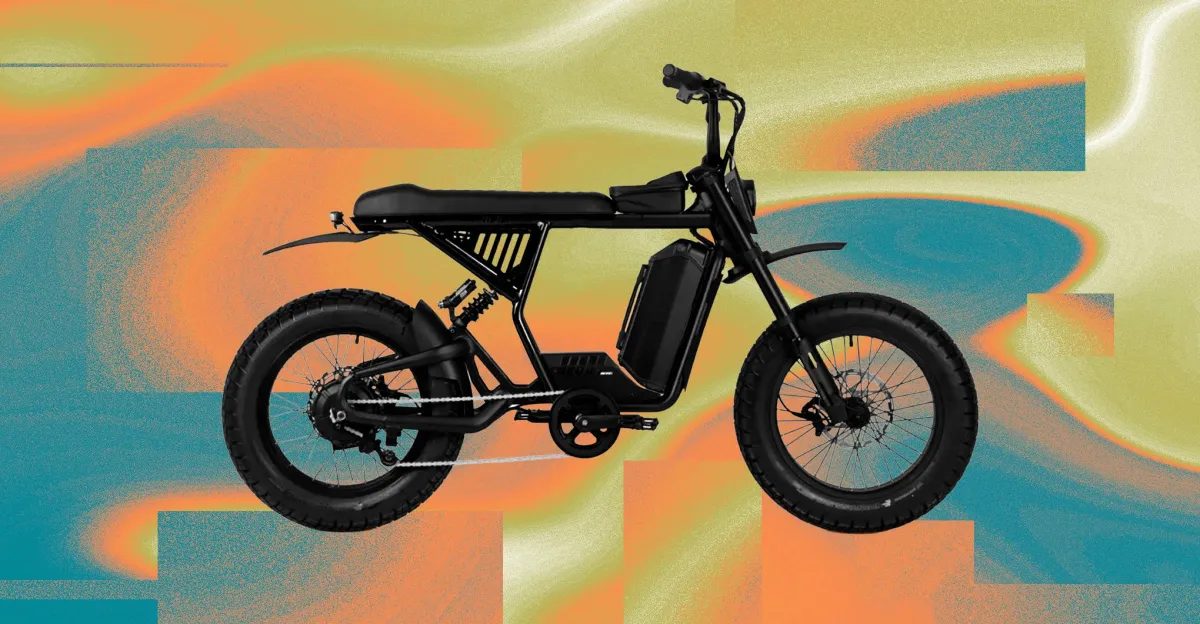
Photo: The Verge
Quick answer
Semi-solid gel batteries are replacing lithium-ion, delivering enhanced safety, durability (up to 1,200 charge cycles), and resistance to mechanical damage.
Lithium-ion batteries, the standard for portable electronics and electric transportation, are increasingly causing incidents. In 2025, U.S. regulators recalled nearly 2 million power banks and tens of thousands of e-bikes due to fire risks. The issue lies in the liquid electrolyte, which can trigger thermal runaway and fires when damaged or overheated.
A solid-state battery alternative, promising safety, high energy density, and fast charging, was expected to solve these problems. However, mass production has yet to materialize. Against this backdrop, semi-solid gel batteries are gaining traction as a compromise, combining the benefits of solid-state technology with simpler manufacturing. They are already used in power banks, e-bikes, and smartphones, demonstrating resistance to mechanical damage and extended lifespan.
Chinese manufacturers are actively adopting gel batteries. Ride1Up introduced the Revv1 EVO e-bike with a 1,040 Wh battery capable of 1,200 charge cycles (compared to 500 for lithium-ion counterparts). Giant also announced five e-bike models featuring gel batteries from Heyuan Lithium Inno. In smartphones, Vivo uses these batteries with silicon-carbon anodes, increasing energy density by 50%.
The adoption of gel batteries is accelerating due to China’s strict regulatory requirements. Starting December 2025, all e-bikes must pass puncture tests to eliminate fire risks. Power banks must also meet stringent safety standards for air travel. Gel batteries naturally comply with these requirements, making them attractive to manufacturers. As demand grows, costs are expected to decrease, expanding applications from drones to electric vehicles.
Common questions
- How are gel batteries better than lithium-ion?
- Gel batteries are safer as they do not ignite when damaged, last 2–3 times longer, and perform better in low temperatures while maintaining high energy density and fast charging.
- Where are semi-solid gel batteries already in use?
- They are used in power banks (e.g., Kuxiu), e-bikes (Ride1Up, Giant), smartphones (Vivo), and backup power systems. Manufacturers are also testing them for drones and electric vehicles.
- Why aren’t solid-state batteries mass-produced yet?
- Solid-state battery technology remains complex and costly for large-scale production. Companies continue research, but gel-based solutions have become an intermediate step toward safer energy storage.
Dzen feed: /feed/dzen.xml · RSS: /feed.xml