
Genetically Modified Microbes to Reduce Reliance on Chemical Fertilizers
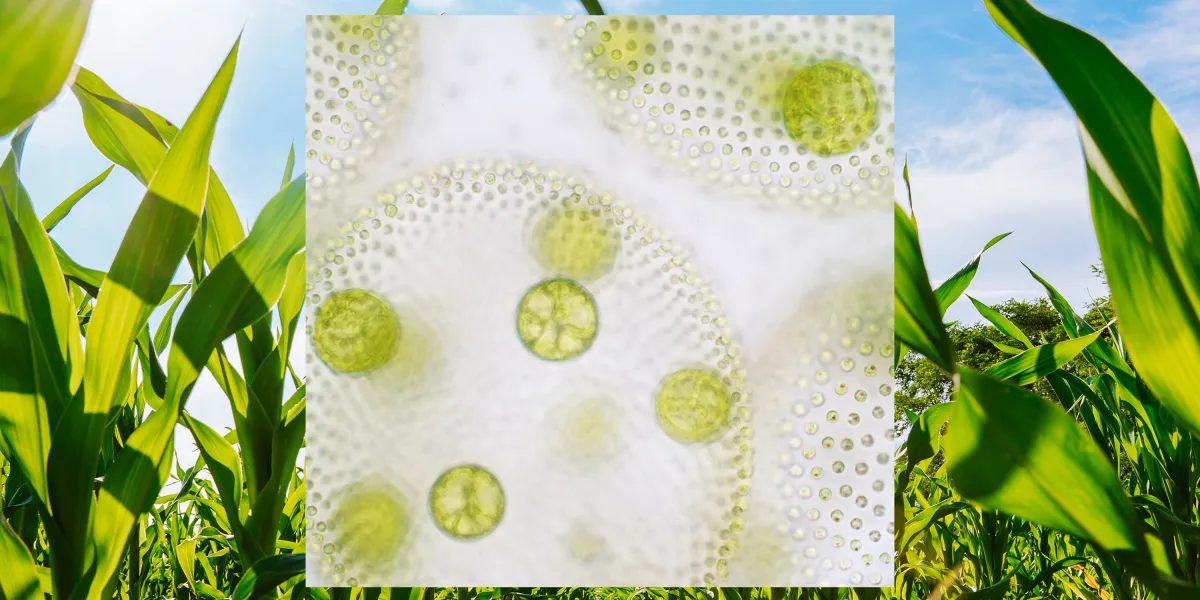
Photo: MIT Technology Review
Quick answer
Switch Bioworks is engineering genetically modified microbes to biologically fix nitrogen in soil, reducing agriculture’s dependence on chemical fertilizers.
Startup Switch Bioworks is developing an innovative agricultural solution using genetically modified microorganisms that fix atmospheric nitrogen and supply it to plants. Unlike traditional chemical fertilizers produced via the Haber-Bosch process, this new technology promises to reduce energy consumption and soil environmental impact.
The main challenge with biological fertilizers is that nitrogen fixation requires significant energy from microbes, potentially hindering their growth and root colonization. The Switch Bioworks team addressed this by implementing a genetic switch that activates ammonia production only when soil nitrogen levels drop. This allows microbes to first colonize roots before switching to fertilization mode, ensuring sustainable development.
Current trials are underway on cornfields across six U.S. states. According to Tim Schnabel, founder and CEO of the company, a commercial product won’t be available for another 2–3 years. The initial focus on corn is driven by its status as the most widely grown crop in the country, covering over 90 million acres.
Experts highlight that such technologies could be a critical step toward sustainable agriculture. As Dan Blaustein-Rejto, Director of Food and Agriculture at the Breakthrough Institute, notes, genetic switches enable microorganisms to grow and develop first before efficiently performing their core function—enriching soil with nitrogen.
Common questions
- How do genetically modified microbes in fertilizers work?
- The microbes feature a genetic switch that activates ammonia production only when soil nitrogen levels drop. This enables them to first colonize plant roots before switching to fertilization mode.
- Which crops will be the first to receive the new fertilizers?
- Initial testing focuses on corn—the most widely grown crop in the U.S., covering over 90 million acres.
- When will commercial biofertilizers based on microbes be available?
- Switch Bioworks plans to launch a commercial product 2–3 years after completing trials.
Dzen feed: /feed/dzen.xml · RSS: /feed.xml