
Geoengineering: Why Cooling the Planet Is Harder Than It Seems
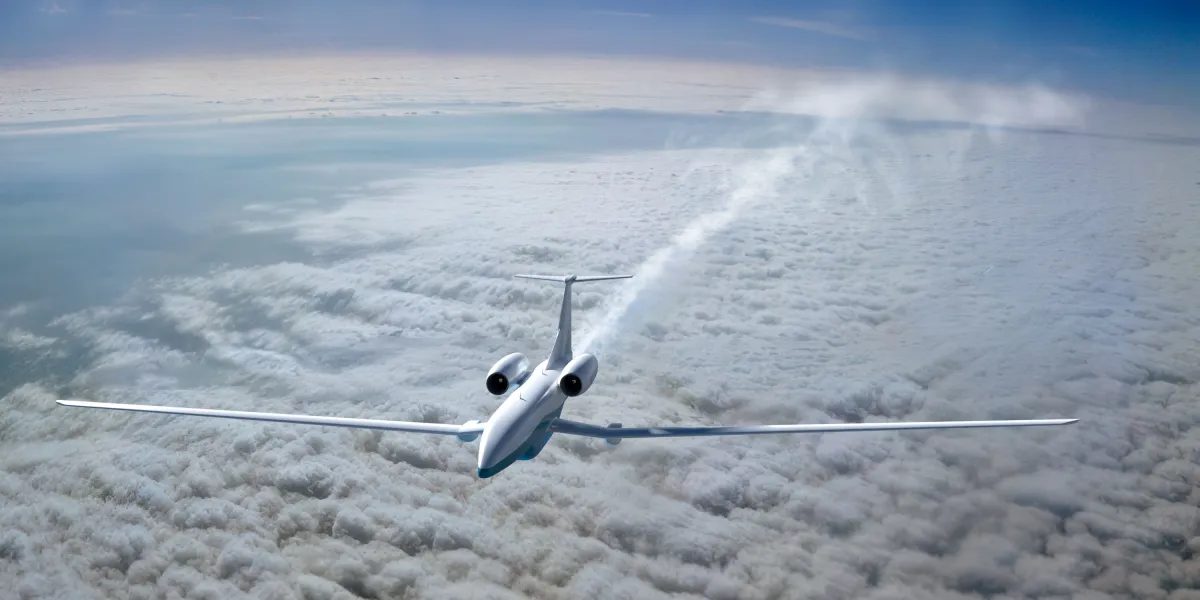
Photo: MIT Technology Review
Quick answer
Geoengineering for Earth cooling demands solving complex engineering tasks, including developing stratospheric aircraft, selecting effective aerosols, and minimizing side effects.
Geoengineering—the concept of artificially cooling the Earth by dispersing aerosols into the stratosphere—has long appeared to be a simple and accessible solution to climate challenges. However, real-world testing has revealed numerous engineering obstacles that demand revolutionary approaches.
The primary challenge is delivering materials to an altitude of about 20 km, where stable atmospheric conditions allow particles to spread across the planet. Existing methods, such as using balloons, are ineffective due to unpredictable trajectories and environmental risks. Specialized aircraft could serve as an alternative, but their development faces significant hurdles: the thin air at such altitudes requires fundamentally new aerodynamic solutions.
Iris Aero has proposed an aircraft concept with unusual proportions: massive wings on a compact fuselage, resembling a water strider’s limbs. Such a design is intended to ensure stability in the stratosphere, but its implementation will require substantial investment and testing.
Another critical issue is selecting the substance for dispersal. Volcanic eruptions have demonstrated that sulfuric acid can temporarily cool the planet, but its transportation and dispersal present technical difficulties. Researchers at the University of Chicago and other leading institutions are exploring alternative compounds that could be lighter and more effective.
Despite progress, geoengineering remains an experimental field with many unanswered questions. Without breakthrough technologies and international regulation, its large-scale application in the coming years is unlikely.
Common questions
- Why are conventional aircraft unsuitable for geoengineering?
- The stratosphere lies at an altitude of about 20 km, where the air is significantly thinner. Standard aircraft are not designed for such conditions—they require fundamentally new designs with larger wingspans for stable flight.
- Which substances are being considered for cooling the planet?
- Researchers are studying compounds capable of forming aerosols in the stratosphere, similar to the effect of volcanic eruptions. Sulfuric acid precursors are considered the most promising, but their optimal composition has yet to be determined.
- What risks does geoengineering pose?
- Beyond technical challenges, geoengineering carries environmental and geopolitical risks, including uneven distribution of effects, potential changes in precipitation patterns, and the lack of international regulatory frameworks.
Dzen feed: /feed/dzen.xml · RSS: /feed.xml