
Anthropic CEO on AI Trust Crisis: Unmet Promises, Not Warnings, Are to Blame
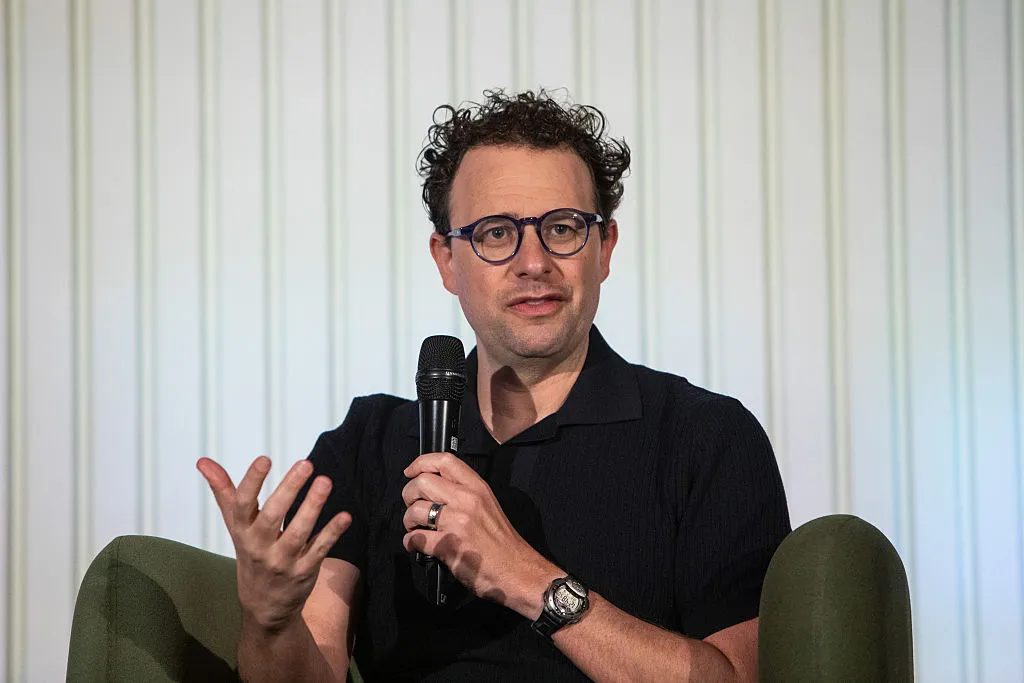
Photo: TechCrunch
Quick answer
Anthropic CEO Dario Amodei attributes AI's negative perception to a broader crisis of trust in tech companies and unmet industry promises, rather than warnings about risks.
Anthropic CEO Dario Amodei addressed criticism of his warnings about AI risks, after investor Gavin Baker accused him of fueling negative sentiment toward the technology in the U.S., particularly regarding data center construction. Baker also questioned the effectiveness of Anthropic's regulatory proposals, including California's transparency bill for major AI firms.
Amodei rejected accusations of excessive pessimism, noting his publications balance AI's benefits and risks. He argued that the industry failed to inspire public trust with a compelling vision of positive change, prompting his essay Machines of Loving Grace. Despite this, he acknowledged persistent public skepticism toward AI, labeling it a 'crisis of trust.'
The Anthropic leader traced this distrust to decades of unmet promises by tech companies, governments, and the IT sector. He criticized clichés like 'AI will cure cancer' as hollow rhetoric that fails to shift perceptions. Real achievements, he argued, would serve as far more persuasive evidence.
Discussing regulation, Amodei dismissed the notion that all rules inherently concentrate power among a few corporations. He highlighted how many outside Silicon Valley view regulation as a tool to curb corporate dominance. Anthropic, he added, advocates for policies that slow big players' growth while empowering smaller competitors.
Amodei also explained why AI tends to concentrate power, even with open-weight models. He noted that computational power disparities shift influence to those with the greatest resources. However, he believes well-designed 'rules of the game' can simultaneously reduce cyber threats, biological risks, and alignment challenges, while limiting corporate power and preserving space for open-weight innovation.
Common questions
- Why does society view AI negatively?
- Amodei argues that distrust stems from perceived industry self-interest, not risk warnings. People suspect tech giants prioritize profits over societal benefits, fueling skepticism toward AI.
- How can regulation impact AI development?
- Amodei believes smart regulations can curb corporate power concentration, mitigate cyber and biological threats, and foster open-weight model growth without their inherent risks.
- What, in Amodei's view, will shift public perception of AI?
- He insists tangible breakthroughs—like medical advancements—will outweigh skepticism, while empty promises (e.g., 'AI will cure cancer') fail to inspire trust.
Dzen feed: /feed/dzen.xml · RSS: /feed.xml