
Google Fitbit Air: Affordable AI-Powered Fitness Tracker Takes on Whoop
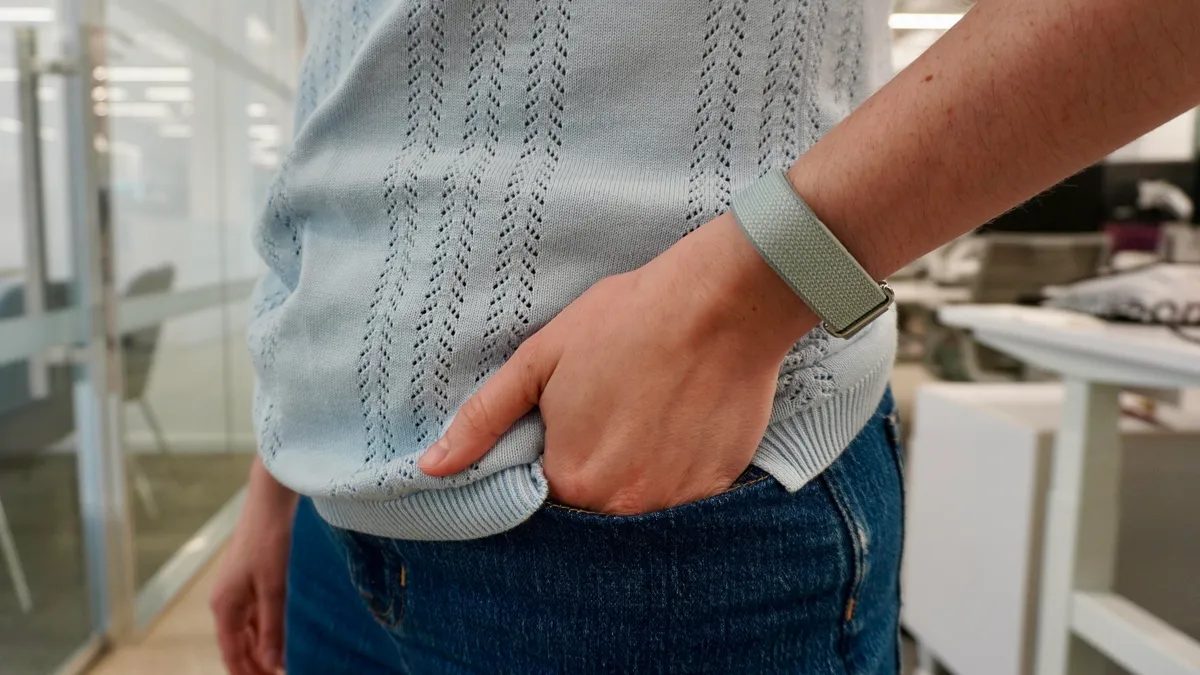
Photo: ZDNet
Quick answer
Google Fitbit Air — доступный фитнес-трекер без экрана с ИИ-коучем, мониторингом здоровья и ценой 7200 ₽ альтернатива Whoop.
Google has introduced the new Fitbit Air fitness tracker, a direct response to popular devices like Whoop. Its key distinction is the absence of a screen, making the gadget less intrusive and more stylish. Fitbit Air features an optical heart rate sensor, accelerometer, gyroscope, SpO2 sensor, temperature sensor, and a vibration motor for notifications. Unlike many competitors, the tracker lacks built-in GPS, relying instead on smartphone data.
Core Fitbit Air features are available without a subscription, but the Google Health Premium version unlocks access to an AI coach. This tool helps plan workouts, analyze recovery, and provide nutrition recommendations. For instance, the AI can identify foods from descriptions, eliminating the need to search databases. However, like any neural network, the coach occasionally makes errors, such as confusing a walk with an elliptical workout.
The Fitbit Air battery lasts about a week, outperforming many smartwatches. The device syncs with the Google Health app, displaying data on activity, sleep, steps, and recovery. Users can also integrate data from other fitness apps like Fitbod via the AI coach chat. Priced at 7200 ₽ the tracker is half the cost of a Whoop annual subscription, making it an appealing option for mainstream consumers.
Fitbit Air suits both fitness-tracking beginners and experienced users looking to replace smartwatches with a lighter, more discreet device. The AI coach adds value but isn’t flawless—manual verification is sometimes needed. Overall, the tracker offers a strong balance of price and functionality, especially for those unwilling to pay for premium solutions.
Common questions
- Какие функции есть у Fitbit Air без подписки?
- Без подписки доступны базовые функции: мониторинг сердечного ритма, SpO2, температуры, физической активности и уведомления.
- Чем Fitbit Air отличается от Whoop?
- Fitbit Air дешевле (7200 ₽ против годовой подписки Whoop), не имеет экрана, но оснащен ИИ-коучем и датчиками для мониторинга здоровья.
- Как работает ИИ-коуч Fitbit Air?
- ИИ-коуч анализирует данные о тренировках, сне, питании, планирует нагрузки и дает рекомендации, но иногда ошибается в классификации активностей.
- Сколько держит заряд Fitbit Air?
- Аккумулятор Fitbit Air рассчитан на неделю работы, что выгодно отличает его от многих умных часов.
Dzen feed: /feed/dzen.xml · RSS: /feed.xml