
Google Orders Over 3M TPUs from Intel by 2028 Using EMIB Packaging
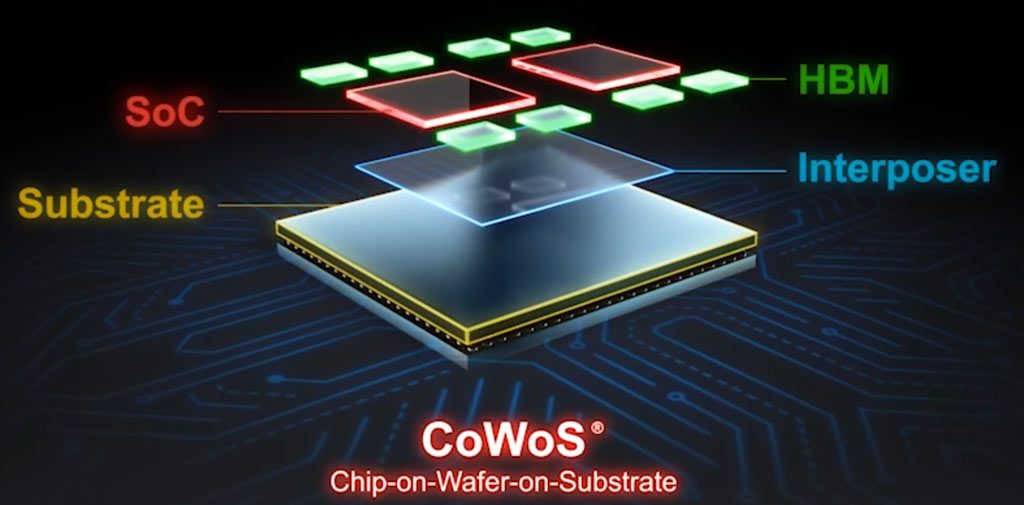
Photo: Tom's Hardware
Quick answer
Google has ordered over 3 million TPUs from Intel by 2028 using EMIB packaging technology, addressing TSMC's CoWoS capacity shortages.
Google has placed a major order with Intel to produce over 3 million tensor processing units (TPUs) by 2028. This decision follows months of testing Intel's EMIB chip packaging technology. According to sources, Nvidia is also considering EMIB for future Feynman-based processors, expected in 2028.
The ongoing TSMC CoWoS capacity shortage, which has persisted for over two years, is forcing major players to seek alternatives. Intel's EMIB offers high-density packaging and efficiency, using small bridges to connect dies instead of large silicon interposers like CoWoS. This reduces costs and enhances production flexibility.
SK hynix's qualification of HBM memory compatibility with EMIB will be critical for success. With a 57% market share in HBM, SK hynix's approval could unlock EMIB adoption in Nvidia accelerators and other high-performance solutions. Until then, many companies will continue relying on CoWoS for high-end applications.
Intel has already implemented EMIB in its server processors, but mass production for external customers remains pending. The company is actively improving yield rates for its 18A process node, which will power future products. Success here could significantly strengthen Intel's position in the contract chip manufacturing market.
Common questions
- What is EMIB, and how does it differ from CoWoS?
- EMIB is Intel's chip packaging technology that uses embedded silicon bridges to connect dies. Unlike TSMC's CoWoS, which relies on large silicon interposers, EMIB reduces costs and improves production flexibility by eliminating the need for bulky interposers.
- Why did Google choose Intel for TPU production?
- Google sought an alternative to TSMC due to CoWoS capacity shortages, which have limited AI accelerator production for years. Intel's EMIB technology offers scalability and reduces dependency on a single supplier.
- What role does SK hynix play in this project?
- SK hynix is testing HBM memory compatibility with EMIB. If qualified, this could enable EMIB use in Nvidia accelerators and other high-performance chips, as SK hynix dominates the HBM market.
Dzen feed: /feed/dzen.xml · RSS: /feed.xml