
Japan Recognizes Voice Rights: Protection Against AI Abuse
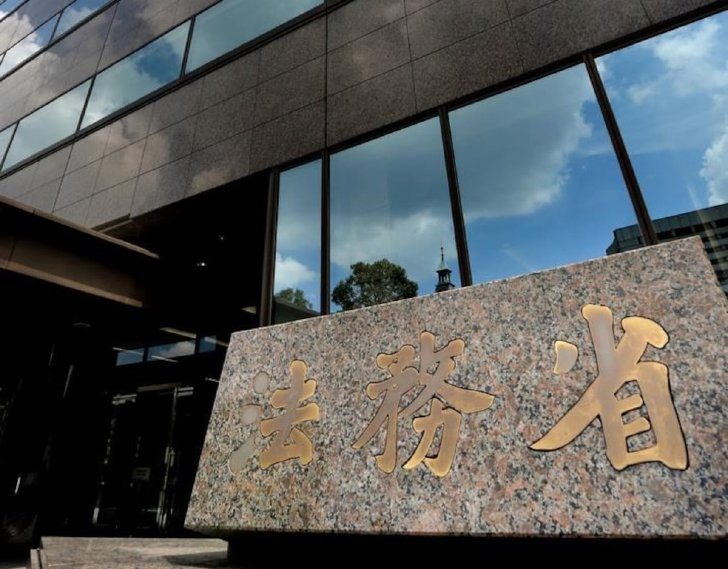
Photo: ITmedia
Quick answer
Japan's Ministry of Justice has officially recognized voices as legally protected assets against unauthorized use in generative AI models.
Japan's Ministry of Justice has released official guidelines that legally protect voices from unauthorized use in generative artificial intelligence systems. The document responds to growing cases where voices of well-known voice actors and public figures were used in AI models without their consent.
Previously, Japanese legislation and judicial precedents strictly regulated only the use of images and names, leaving the issue of voices unresolved. The new guidelines clarify that unauthorized reproduction of voices in AI services may be classified as a rights violation, similar to illegal image use.
The document provides specific examples of violations, including cases where AI models were trained on voice data without the permission of rights holders. Special attention is given to the responsibilities of developers and users of AI services, who must now comply with new rules to avoid legal consequences.
Experts note that Japan's Ministry of Justice initiative could serve as a model for other countries where voice data protection in the context of AI remains unregulated. The document aims to balance the interests of rights holders and technological innovation.
Common questions
- What rights does Japan's new guideline protect?
- The document recognizes voice rights and prohibits unauthorized use in generative AI models. Previously, protection only covered images and names.
- Who is responsible for violations?
- Both AI service developers and end users who use voices without permission from rights holders are held accountable.
- Why is this decision important for the AI industry?
- It eliminates legal ambiguity by establishing clear frameworks for voice data usage in AI models, reducing the risk of litigation.
Dzen feed: /feed/dzen.xml · RSS: /feed.xml