
Interoception: How the Brain Maps Internal Sensations
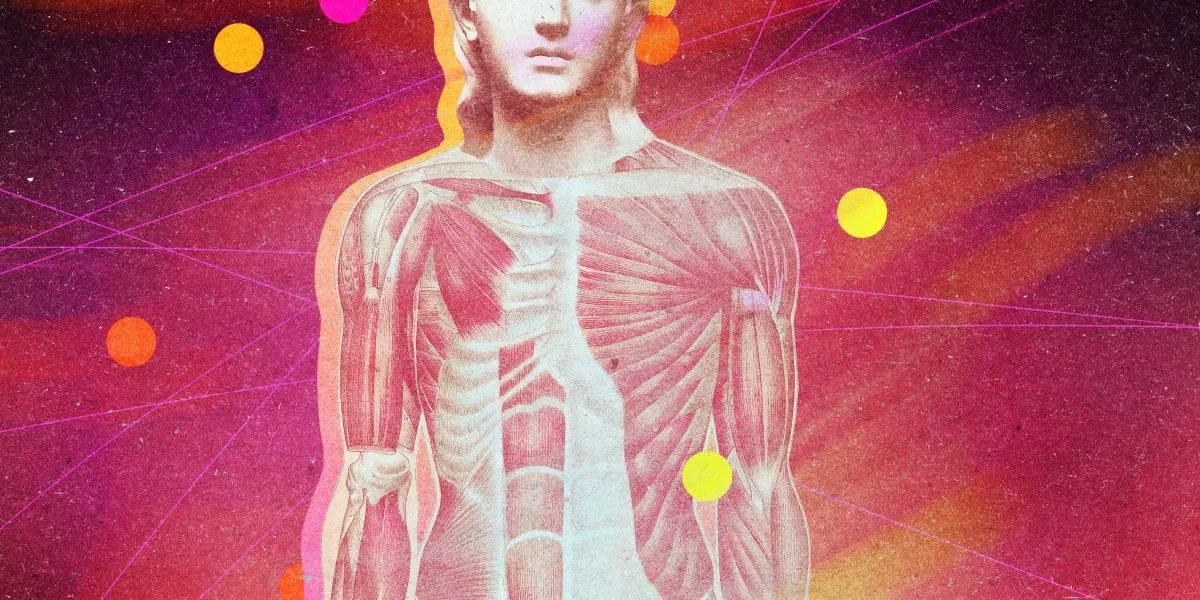
Photo: MIT Technology Review
Quick answer
Interoception is the brain’s ability to track internal bodily states, forming conscious sensations. Studies highlight the vagus nerve and interstitial fluid networks in signal transmission, which…
The human brain operates like a sophisticated monitoring system, continuously analyzing data from internal organs and the external environment. This process, known as interoception, enables the formation of a holistic perception of one’s state—from physical comfort to emotional experiences. Modern research shows that interpreting these signals not only reflects the current state but can actively reshape it.
A critical component of the interoceptive system is the vagus nerve, which connects the brain to abdominal and thoracic organs. Previously thought to regulate only autonomic functions, new evidence suggests a far more intricate role. Harvard Medical School researchers discovered that the vagus nerve transmits diverse signals influencing emotions and behavior.
Beyond the nervous system, the circulatory and lymphatic systems also facilitate interoceptive information transfer. Recent findings point to a third communication channel: a network of interstitial spaces filled with fluid, potentially mediating tissue-level signaling. These discoveries open new avenues for understanding self-awareness mechanisms and developing psychosomatic condition therapies.
The ability to discern subtle internal sensations—such as distinguishing anxiety from fear—directly impacts stress resilience and decision-making. Psychological experiments reveal that individuals with high emotional 'granularity' act less impulsively and cope better with challenges. This underscores the importance of mindfulness and reframing internal sensations to enhance quality of life.
Common questions
- What is interoception?
- Interoception is the process by which the brain receives and processes signals from internal organs, creating conscious sensations like hunger, fatigue, or anxiety. It is a key mechanism for self-perception and emotional regulation.
- What role does the vagus nerve play in interoception?
- The vagus nerve is the primary pathway for signals between internal organs and the brain. It regulates physiological processes and influences emotional states, though its function is more complex than mere 'toning'.
- How does interpreting internal signals affect behavior?
- The interpretation of internal signals shapes stress responses, emotional resilience, and cognitive abilities. For example, perceiving stress as a challenge rather than a threat enhances adaptation and productivity.
Dzen feed: /feed/dzen.xml · RSS: /feed.xml