
iOS 27 to Add Precise Bluetooth Tracking to iPhones with Limitations
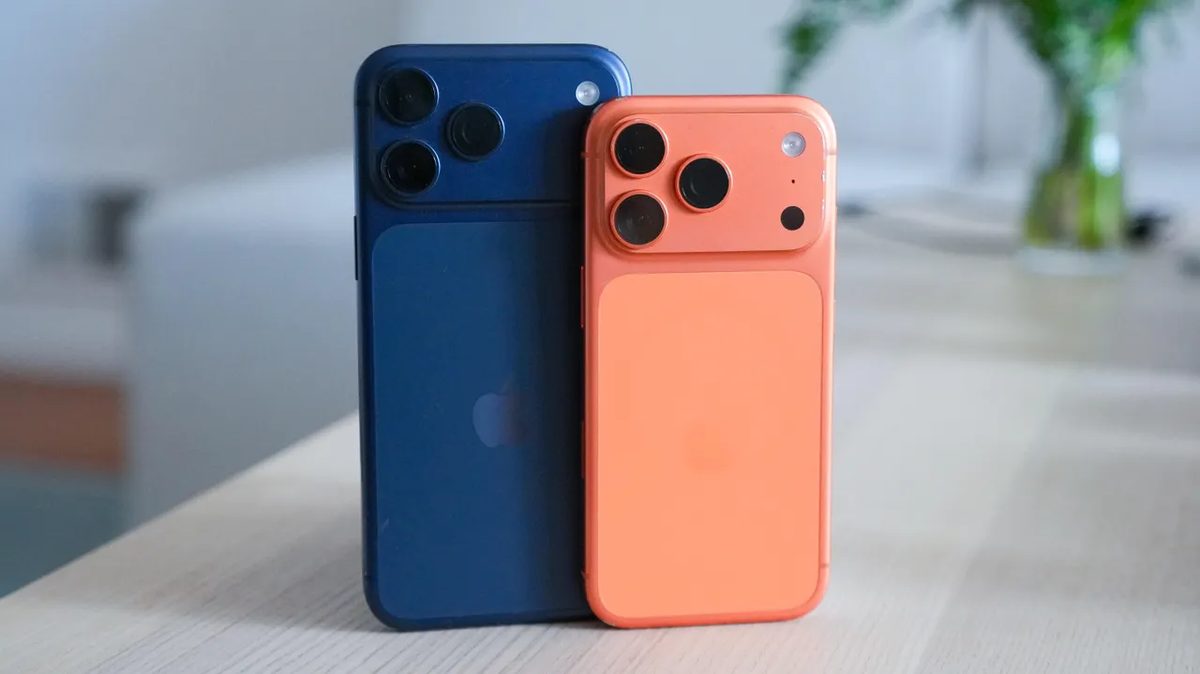
Photo: ZDNet
Quick answer
Apple is integrating Channel Sounding in iOS 27 to enable precise Bluetooth device tracking with centimeter-level accuracy.
Apple has announced support for Channel Sounding in iOS 27, enabling iPhones to locate Bluetooth devices with high precision. This feature, first introduced in Bluetooth 6.0, delivers centimeter-level accuracy when tracking gadgets like headphones, smart locks, and trackers.
The Find My feature currently works best with Apple devices equipped with Ultra-Wideband (UWB) chips. Channel Sounding will extend this capability to third-party devices lacking UWB but supporting Bluetooth. However, the technology requires Bluetooth 6.3, which is still uncommon even in new devices.
A major limitation is that Channel Sounding will only be available on iPhone 17 and newer models, as it requires the N1 chip. This means widespread adoption will take time, given users’ slow device upgrade cycles. Developers have already received guidelines to optimize apps for the new feature.
Common questions
- What is Channel Sounding in iOS 27?
- Channel Sounding is a Bluetooth 6.0 technology that measures distance and direction to devices with centimeter precision. In iOS 27, it enhances the Find My feature for third-party gadgets.
- Which devices will support Channel Sounding?
- Only iPhone 17 and newer models will support it, as they require the N1 chip. Devices must also support Bluetooth 6.3, which remains rare even among new gadgets.
- When will the technology become widely available?
- Mass adoption is unlikely before next year, as most existing devices lack Bluetooth 6.3 support and compatible chips.
Dzen feed: /feed/dzen.xml · RSS: /feed.xml