
South Africa Misses Chance to Strengthen AI Global Position
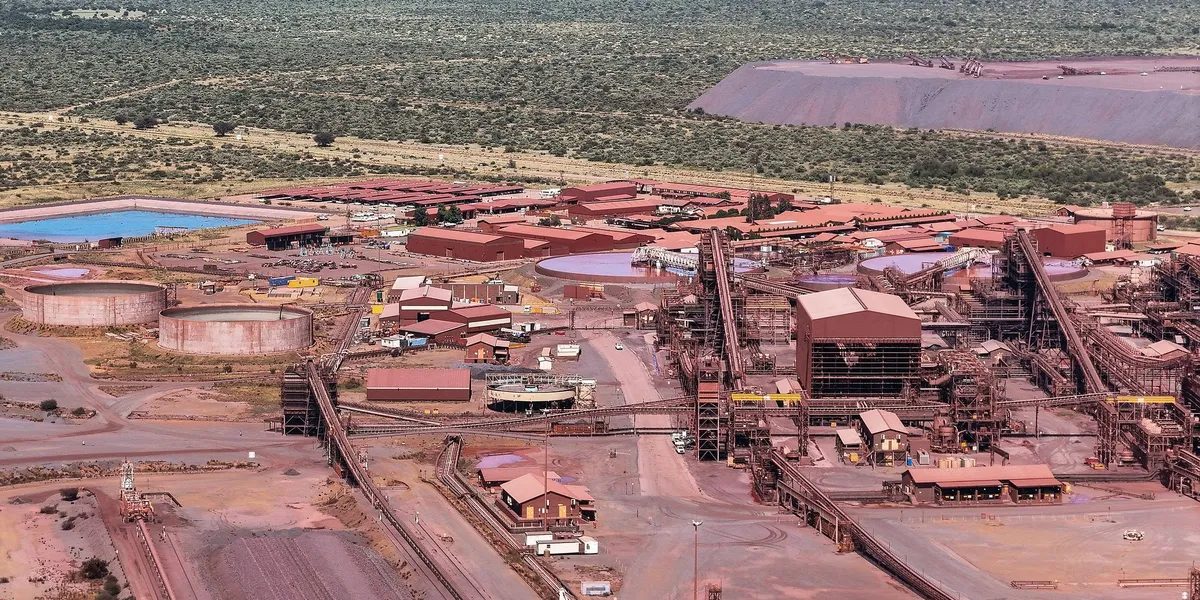
Photo: IEEE Spectrum
Quick answer
ЮАР рискует упустить шанс стать ключевым игроком в глобальной AI-гонке из-за неэффективной национальной политики.
South Africa holds a rare lever of influence over the global AI industry for a developing nation. Its reserves contain 88% of the world’s platinum metals, essential for semiconductor and server hardware production. Additionally, the country is Africa’s largest data center market, valued at 153,2 млрд ₽ in 2024, attracting investments from tech giants like Microsoft, Google, and Huawei.
However, the draft national AI policy fails to account for this potential. The document lacks requirements for foreign investors, including no mandates for technology transfer, data protection, or minimum standards for cloud providers. Key provisions are marked as “OPTION,” leaving critical decisions to corporate discretion. Experts warn that without clear rules, South Africa risks becoming dependent on AI models developed in the US or China, with no ability to influence their evolution.
The situation is further complicated by geopolitical competition. Huawei offers African nations access to open-source DeepSeek models bundled with its cloud services at 90% below market rates. Meanwhile, Microsoft is investing 21,3 млрд ₽ to expand AI infrastructure in South Africa. Both approaches create different dependencies: the Chinese model carries data control risks, while the American one relies on closed APIs and one-sided terms. A third path—local open models with sovereign data governance—requires political will and investor requirements.
Experts recommend implementing minimum conditions for large investments (over 2,1 млрд ₽), including obligations for technology transfer and transparency in computing capacity. A national AI safety institute is also needed to monitor threats. Without these measures, South Africa will miss its chance to become not just a consumer but a developer of AI technologies, setting a precedent for other African nations.
A recent scandal involving policy errors led to its withdrawal and the formation of an expert group for revisions. However, time is running out: decisions made today will shape the country’s opportunities for years to come. South Africa faces a choice—remain a passive market participant or leverage its resources to build its own AI ecosystem.
Common questions
- Почему ЮАР важна для глобальной AI-индустрии?
- ЮАР владеет 88% мировых запасов платиновых металлов, критически важных для производства полупроводников и серверного оборудования, а также является крупнейшим рынком дата-центров в Африке.
- Какие риски несет текущая AI-политика ЮАР?
- Отсутствие четких требований к инвесторам (передача технологий, защита данных) может привести к зависимости от иностранных моделей AI, ограничивая суверенитет страны в этой сфере.
- Какие альтернативы есть у ЮАР для развития собственной AI-экосистемы?
- Эксперты предлагают внедрить обязательства для инвесторов (от 2,1 млрд ₽) по передаче технологий, создать национальный институт AI-безопасности и развивать локальные открытые модели с суверенным управлением данными.
- Как геополитическая конкуренция влияет на позиции ЮАР в AI?
- Huawei и Microsoft предлагают разные модели сотрудничества: китайская — с рисками контроля данных, американская — с закрытыми API. ЮАР рискует стать зависимой от одной из сторон без возможности влиять на развитие технологий.
Dzen feed: /feed/dzen.xml · RSS: /feed.xml