
How to Prepare for Post-Quantum Cryptography: A Practical Approach
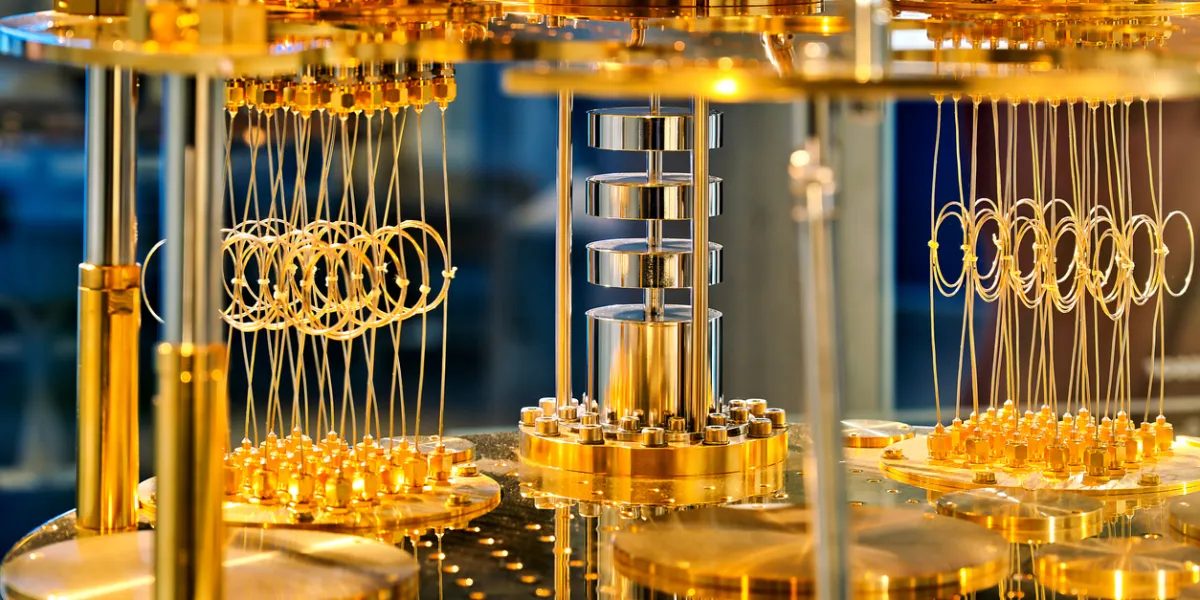
Photo: MIT Technology Review
Quick answer
Post-quantum cryptography requires a phased implementation due to escalating threats from quantum computers. Experts predict a 50% probability of RSA-2048 being cracked by 2040, forcing companies to prepare for…
Quantum computers won’t replace classical servers, but their development introduces new cybersecurity challenges. Experts from the Global Risk Institute estimate a 50% probability of breaking a 2048-bit RSA key within a day by 2040. This doesn’t signal an immediate crisis but necessitates preparation for scenarios where attackers collect encrypted data today to decrypt it later, once the technology becomes available.
U.S. government agencies are already setting benchmarks for post-quantum cryptography adoption. By 2027, new national security systems must support CNSA 2.0 algorithms, standardized by NIST, with a full transition planned by 2035. While these deadlines aren’t mandatory for commercial companies, they serve as a model for developing modernization strategies.
Intel is actively integrating quantum-resistant technologies into its products. Intel Xeon 6 processors already support quantum-safe memory encryption and microcode protection. Future platforms will expand the use of post-quantum algorithms for firmware signing, secure boot, and other critical functions. Specialized accelerators and optimized libraries help reduce system load while maintaining performance levels.
Common questions
- What is post-quantum cryptography?
- A set of cryptographic algorithms resistant to quantum computing attacks. They are designed to protect data in a future where quantum computers can break today’s encryption standards.
- When will quantum computers break modern encryption?
- Experts estimate a 50% chance of cracking a 2048-bit RSA key within a day by 2040. Exact timelines depend on technological advancements, but preparation should begin now.
- How is Intel helping businesses transition to post-quantum cryptography?
- Intel integrates quantum-resistant algorithms into its processors, including Intel Xeon 6, and optimizes performance using specialized accelerators and libraries. This enables businesses to adopt new standards without sacrificing performance.
Dzen feed: /feed/dzen.xml · RSS: /feed.xml