
How to Modernize Power Grids for the Future: Key Challenges and Solutions
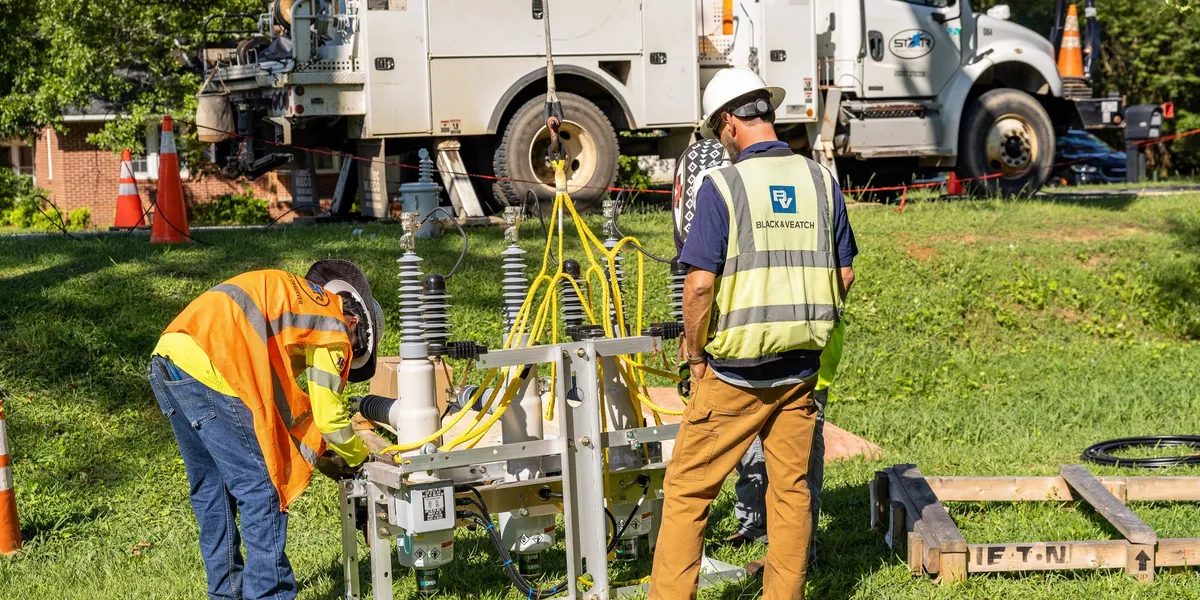
Photo: IEEE Spectrum
Quick answer
Современные энергосистемы проектировались для другой реальности: однонаправленные потоки энергии, предсказуемый спрос и локальные сбои. Сегодня распределительные сети должны справляться с растущей нагрузкой, распределёнными источниками энергии (DER) и киберугрозами. Эксперты Black & Veatch выделяют три ключевых направления модернизации, которые позволят энергокомпаниям адаптироваться к новым вызовам и обеспечить надёжность инфраструктуры в долгосрочной перспективе.
The primary challenge for energy companies today is not increasing load or extreme weather conditions, but outdated distribution grid architecture. Systems built decades ago were not designed for bidirectional energy flows, integration of distributed resources (solar panels, storage, electric vehicles), or growing cyber threats. Modernization is no longer optional—it is essential for maintaining stability.
The first step is shifting from a reactive to a proactive strategy. The traditional approach, focused on rapid recovery after outages, is no longer effective. Instead, energy companies are adopting grid automation: smart switches, reclosers, and monitoring systems that localize faults before they spread. For example, after modernizing its grid, Georgia Power reduced restoration time by 80% and outages by 76%.
The second challenge is integrating distributed energy resources (DERs). Solar power plants, energy storage systems, and electric vehicles are changing grid dynamics: energy is now both consumed and generated locally. This requires new planning approaches, including dynamic load models and capacity calculations. Without modernization, grids risk overloads and voltage instability.
The third focus area is enhancing transparency and security. Modern grids need advanced analytics, artificial intelligence, and distribution/outage management systems (DMS/OMS) to enable real-time monitoring. However, the rise of connected devices increases vulnerability to cyberattacks. According to Black & Veatch, only 22% of energy companies integrate physical and cybersecurity teams, despite a 50% increase in substation attacks.
Common questions
- Common questions
- Современные энергосистемы проектировались для другой реальности: однонаправленные потоки энергии, предсказуемый спрос и локальные сбои. Сегодня распределительные сети должны справляться с растущей нагрузкой, распределёнными источниками энергии (DER) и киберугрозами. Эксперты Black & Veatch выделяют три ключевых направления модернизации, которые позволят энергокомпаниям адаптироваться к новым вызовам и обеспечить надёжность инфраструктуры в долгосрочной перспективе.
Dzen feed: /feed/dzen.xml · RSS: /feed.xml