
How Overnight Charging Accelerates Smartphone Battery Wear
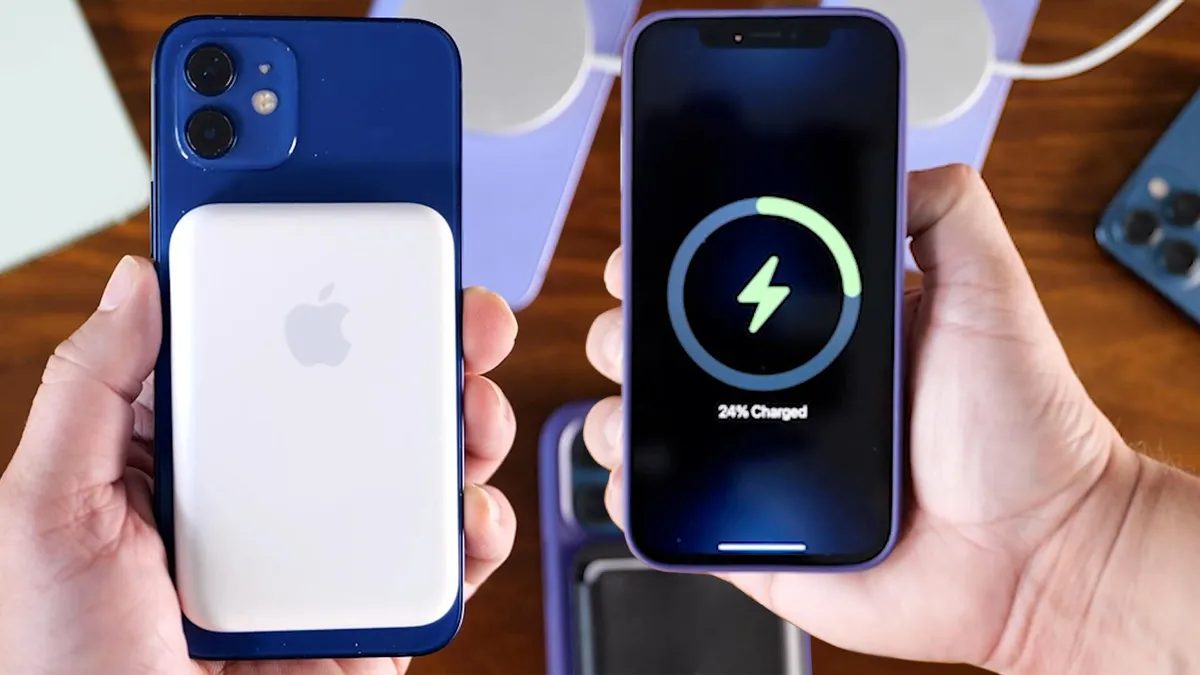
Photo: CNET
Quick answer
Многие пользователи привыкли заряжать смартфоны на ночь, не задумываясь о последствиях. Однако именно этот режим наносит наибольший вред литий-ионным аккумуляторам. Длительное пребывание батареи на уровне 100% заряда создаёт избыточное напряжение и повышает температуру, что ускоряет химический износ. Современные устройства оснащены защитными механизмами, но даже они не способны полностью нейтрализовать негативный эффект от постоянной зарядки.
Lithium-ion batteries used in modern smartphones lose capacity faster when kept at full charge for extended periods. The most critical issue occurs at 100% charge—exactly what happens during overnight charging. The voltage generated under these conditions speeds up the degradation of the cathode and electrolyte, reducing the battery’s overall lifespan.
Manufacturers have long implemented technologies to mitigate this effect. For example, Apple uses Optimized Battery Charging, which pauses charging at 80% and resumes only before the user wakes up. Samsung and other Android brands offer similar solutions, such as Battery Protect, which limits charging to 85%. However, even these measures do not entirely eliminate risks associated with overheating.
The primary enemy of a battery is not overcharging but high temperature. If a smartphone is charged in a hot environment, under direct sunlight, or beneath a pillow, it accelerates chemical processes inside the battery. The combination of charging with resource-intensive tasks like gaming or video editing is particularly dangerous. Additionally, cheap chargers that deliver unstable current further strain the battery.
To extend battery life, small habit changes are sufficient. Enable built-in charging optimization features, monitor device temperature, and use only certified chargers. While it’s not necessary to keep the charge strictly between 20–80%, avoiding extreme levels is advisable. Frequent short top-ups are preferable to deep discharge cycles, and temperature control will help preserve battery capacity for years.
Common questions
- Common questions
- Многие пользователи привыкли заряжать смартфоны на ночь, не задумываясь о последствиях. Однако именно этот режим наносит наибольший вред литий-ионным аккумуляторам. Длительное пребывание батареи на уровне 100% заряда создаёт избыточное напряжение и повышает температуру, что ускоряет химический износ. Современные устройства оснащены защитными механизмами, но даже они не способны полностью нейтрализовать негативный эффект от постоянной зарядки.
Dzen feed: /feed/dzen.xml · RSS: /feed.xml