
How a Startup Founder Used AI in the Fight Against Cancer
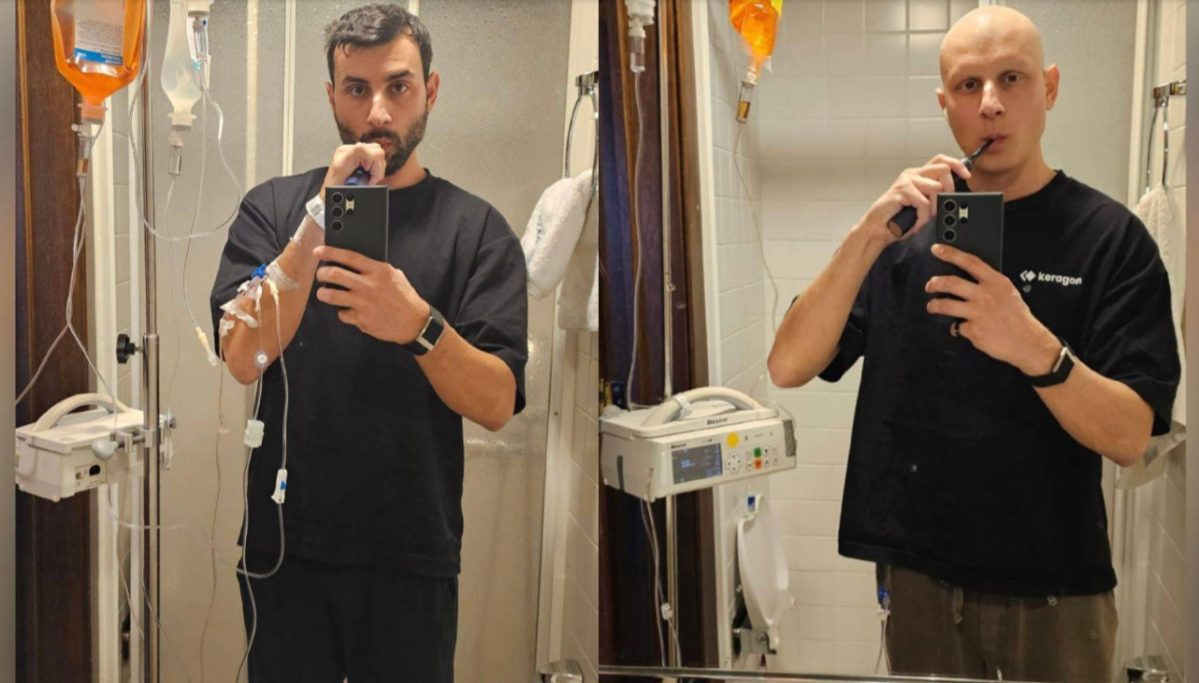
Photo: TechCrunch
Quick answer
Keragon’s founder used AI to analyze medical data and select treatment for a rare form of cancer. His experience highlights the effectiveness of technology in oncology.
Konno Christou, founder of the startup Keragon, is known for his health-focused approach: he uses wearable devices like Whoop and Oura to monitor biomarkers and undergoes comprehensive medical check-ups annually. In 2025, his tests were in perfect condition, but a few months after a workout, he noticed swelling in his arm. An initial examination revealed blood clots, and subsequent tests detected an 11×11×8 cm tumor behind his sternum.
The diagnosis was an aggressive form of non-Hodgkin lymphoma, a rare disease affecting one in 420,000 people. Christou faced a dilemma: two leading oncologists proposed opposing treatment plans. The first recommended a mild chemotherapy regimen with a 60% success rate, while the second suggested intensive inpatient therapy with an 85% chance of success. Instead of relying on the first opinion, he sought 12 additional consultations, 11 of which supported the aggressive approach.
During treatment, Christou applied a startup-like strategy: he collected data from wearable devices, maintained a symptom journal, and used the AI chatbot Claude to analyze medical information. The model helped identify an error in interpreting the final PET scan, which initially indicated disease activity but was actually due to thymus reactivation—a known but often overlooked phenomenon in patients under 40.
Christou’s experience demonstrated how technology can complement traditional medicine. He believes AI will become an integral part of diagnostics and treatment, especially for rare diseases where physicians may not account for all nuances.
Common questions
- What role did AI play in Konno Christou’s treatment?
- The AI chatbot helped analyze data from medical scans, wearable devices, and symptom journals, identifying diagnostic errors and refining the treatment plan.
- Why did doctors provide different treatment recommendations?
- Two leading oncologists proposed conflicting chemotherapy regimens due to the rarity of the diagnosis and the lack of a standardized protocol for such cases.
- Can AI be trusted in medical diagnostics?
- AI does not replace doctors but assists patients in asking the right questions and analyzing data, reducing the risk of errors.
Dzen feed: /feed/dzen.xml · RSS: /feed.xml