
Overcoming Legacy Data Limitations for Scaling AI Agents
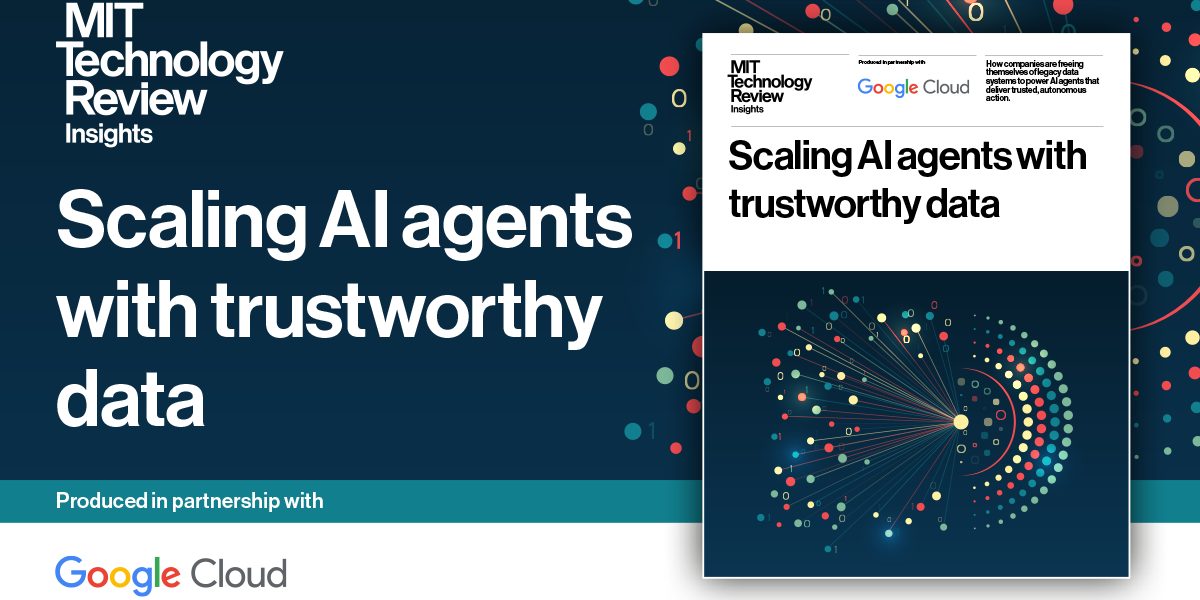
Photo: MIT Technology Review
Quick answer
Data-savvy companies grant AI agents access to 70% of corporate information, boosting trust in their decisions and accelerating scalability.
According to Gartner forecasts, AI agents will participate in half of all business decisions by 2027, yet companies already face critical limitations today. An MIT Technology Review study of 300 data and technology executives revealed that AI systems, on average, can access only 45% of corporate information. In lagging organizations, this figure does not exceed 30%, hindering adoption and reducing efficiency.
Market leaders, in contrast, provide access to 70% of data and demonstrate high levels of trust in AI agent decisions. All surveyed leaders confirmed full confidence in the accuracy and relevance of their AI-driven decisions. For comparison, only half of other companies trust their AI systems' performance. The primary issue is outdated systems, which limit scalability and decision-making speed.
Two-thirds of lagging organizations admit that legacy systems impede AI development. Leaders have already overcome these barriers by automating data management and improving data structuring. Over the next two years, 69% of companies plan to widely adopt AI agents, but without data modernization, these plans risk remaining unrealized. Priorities for infrastructure preparation include expanding data access, enhancing AI context, and strengthening governance.
Common questions
- Why do legacy data systems hinder AI agent performance?
- Legacy systems restrict AI access to critical information, slowing decision-making and reducing accuracy. Without data modernization, agents cannot scale effectively.
- Which companies succeed with AI agents?
- Market leaders provide access to 70% of corporate data, automate data management, and implement strict AI governance. This builds trust in agent decisions and speeds up adoption.
- What steps are essential for preparing data for AI?
- Key measures include expanding access to structured and unstructured data, improving context for AI decisions, and automating data management processes.
Dzen feed: /feed/dzen.xml · RSS: /feed.xml