
How 'Hostile' Patterns Trick Surveillance Cameras and AI Recognition
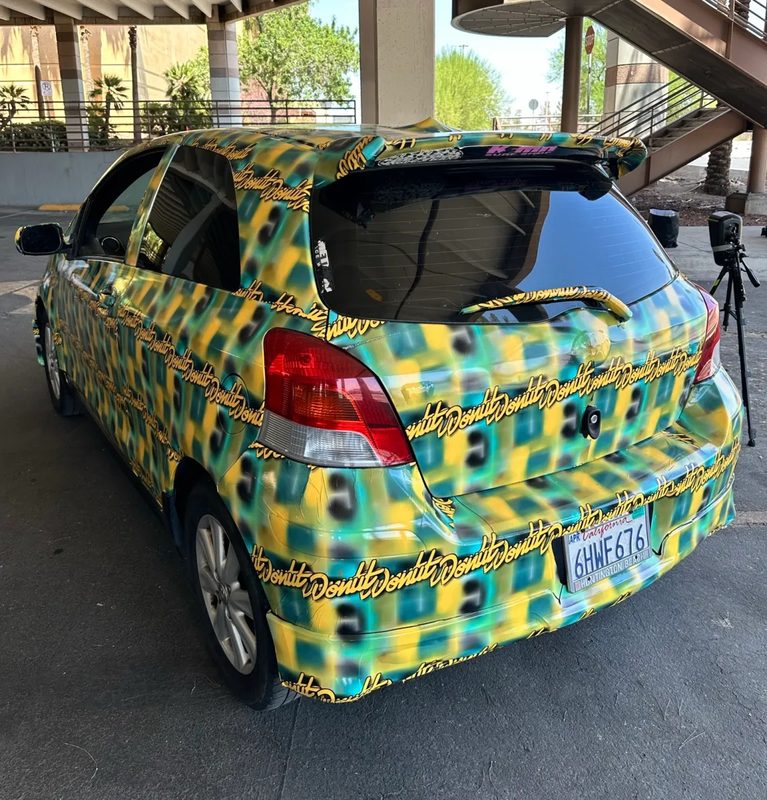
Photo: TechCrunch
Quick answer
Researcher Bill Swearingen developed algorithms to generate patterns that disrupt AI-powered surveillance systems, preventing object, face, and license plate recognition.
Cybersecurity expert Bill Swearingen has unveiled the noRecognition project—a system for generating patterns designed to deceive surveillance AI. These designs, applied to clothing or vehicles, disrupt cameras’ ability to recognize objects, faces, and license plates, effectively rendering them 'invisible' to tracking systems.
The innovation leverages machine learning: Swearingen’s algorithm generates patterns, tests them against open-source recognition models, and refines them after each failure. Over a year of research, he conducted over 31 million tests, achieving effectiveness against 11 popular algorithms, including Flock, Axon, and Clearview AI*. The technology doesn’t block recording but confuses AI, preventing object identification.
At the Def Con conference in Las Vegas, Swearingen demonstrated the patterns in real-world conditions. A vehicle featuring the design went undetected by Flock cameras used for license plate capture. Future plans include clothing and accessories with these patterns, as well as applications on vehicles. The creator emphasizes that the technology aims to restore privacy amid widespread surveillance.
Common questions
- How do these patterns trick surveillance cameras?
- The patterns are created using machine learning algorithms that generate designs confusing AI recognition systems. They don’t block recording but prevent cameras from identifying objects, faces, or license plates.
- Which surveillance systems have been bypassed by this technology?
- The technology has been tested against 11 algorithms, including Flock (license plate recognition), Axon (police body cameras), and Clearview AI (facial recognition).
- Can these patterns be used in everyday life?
- Yes, the technology has already passed real-world trials. Patterns can be applied to clothing, vehicles, and other surfaces to avoid automated recognition.
Dzen feed: /feed/dzen.xml · RSS: /feed.xml