
Hackers Use AI to Target Vulnerable US Water Supply Systems
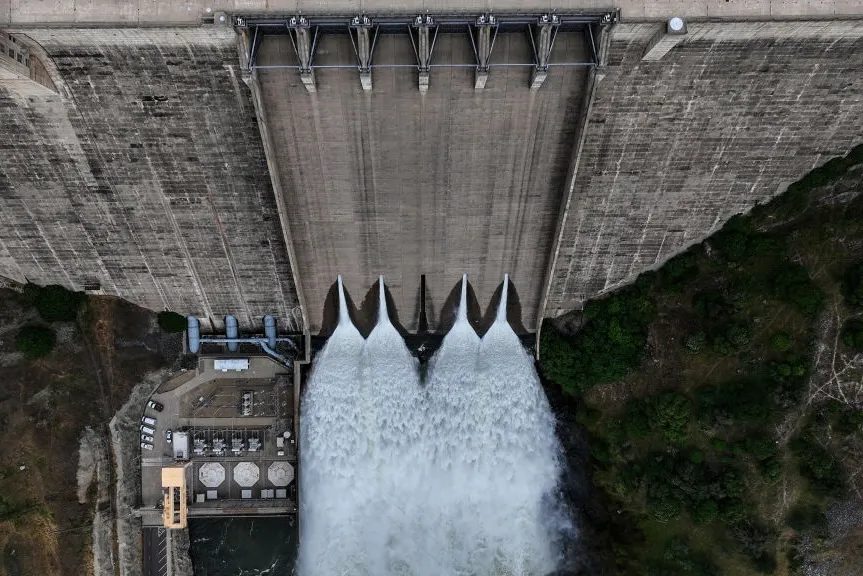
Photo: TechCrunch
Quick answer
Hackers are targeting US water supply systems by leveraging AI to identify vulnerabilities in Siemens S7 controllers.
US authorities are warning about a rise in cyberattacks on water supply and treatment systems, where hackers are actively exploiting vulnerabilities in Siemens equipment. The focus is on S7 programmable logic controllers, which manage automated processes in energy, industrial, and agricultural sectors. The Cybersecurity and Infrastructure Security Agency (CISA), FBI, and NSA note that these attacks could lead to malfunctions, security threats, and equipment damage.
Of particular concern is the use of artificial intelligence by hackers to generate exploits. AI algorithms analyze publicly available data to automatically identify weaknesses in controllers running outdated software or lacking adequate protection. Experts emphasize that such devices are inherently vulnerable, and AI merely accelerates the attack process.
CISA recommends that operators of critical infrastructure disconnect such devices from the internet, especially in rural areas where systems serve large territories. Recent months have seen attacks on facilities in Minnesota, Michigan, Arkansas, Georgia, and New Jersey. It is suspected that some of these attacks are linked to Iranian hacking groups.
Common questions
- Which devices are being targeted by hackers?
- Attackers are targeting Siemens S7 programmable logic controllers, commonly used in water supply, energy, industrial, and agricultural systems. These devices often run outdated software or lack robust security measures.
- How does AI assist hackers in these attacks?
- Artificial intelligence automates the creation of exploits by analyzing publicly available data, accelerating the discovery and exploitation of vulnerabilities in controllers. This enables hackers to identify weak points in systems more efficiently.
- What are the potential consequences of these attacks?
- These attacks could result in equipment malfunctions, security breaches, and damage to critical infrastructure. Rural areas with limited cybersecurity resources are particularly vulnerable to such disruptions.
Dzen feed: /feed/dzen.xml · RSS: /feed.xml