
Chinese Rocket Crashes Mid-Flight: Impact on Space Program
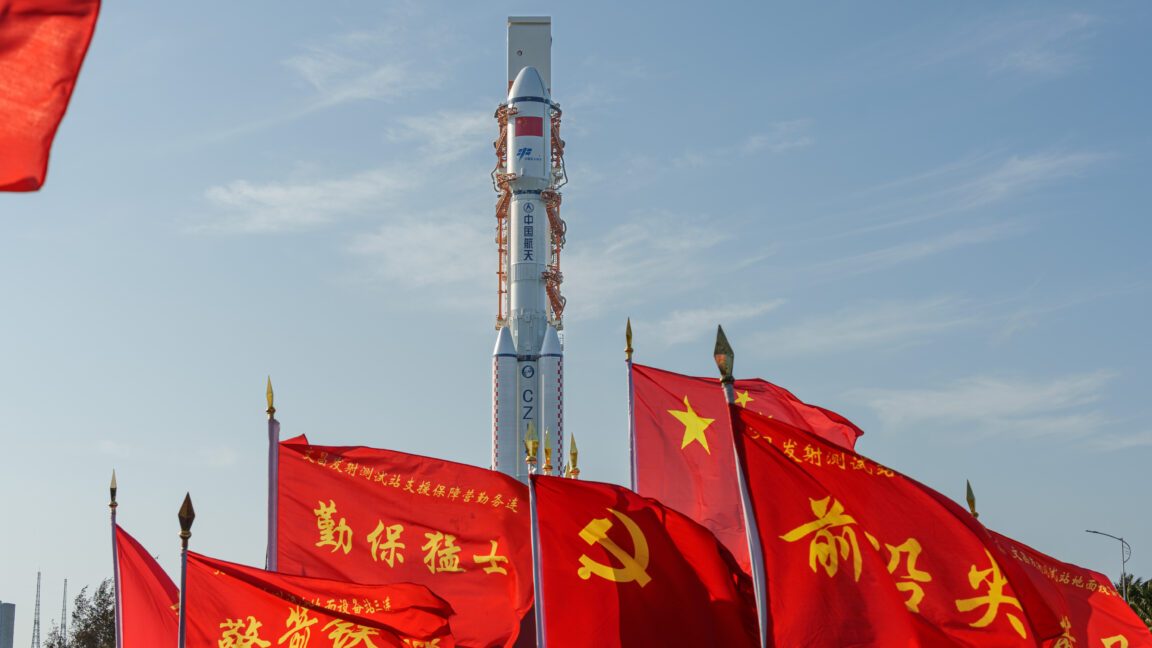
Photo: Ars Technica
Quick answer
China's Long March 6A rocket exploded mid-flight, threatening the nation's space projects due to potential issues with the YF-100 engine. The failure may disrupt launch schedules and compromise rocket reliability.
A Chinese Long March 6A rocket crashed mid-flight during a recent launch, raising serious industry concerns. The incident occurred during payload deployment, and experts suspect a malfunction in the YF-100 engine may have caused the failure.
This engine is a cornerstone of China's space program and powers multiple rocket models. Its reliability is critical for long-term plans, including orbital station deployment and lunar mission preparations. Recurring YF-100 issues could force schedule revisions and additional inspections.
Despite rapid advancements in its space sector, China faces challenges in ensuring the stability of its launch vehicles. The Long March 6A incident highlights the need for stricter quality control and testing of key components. An investigation into the causes is expected soon, with findings set to influence future space program decisions.
Common questions
- Which Chinese rocket exploded mid-flight?
- The Long March 6A rocket disintegrated during flight. It is a key model in China's space program.
- Why does the rocket explosion raise concerns?
- The issue may stem from the YF-100 engine, used in multiple Chinese rocket models. Repeated failures could delay space projects.
- How will the incident affect China's space program?
- The failed launch may cause delays in mission schedules, including orbital station construction and lunar programs. Additional reliability checks will be required.
Dzen feed: /feed/dzen.xml · RSS: /feed.xml