
Low Outgassing Adhesives for Aerospace and Optical Systems
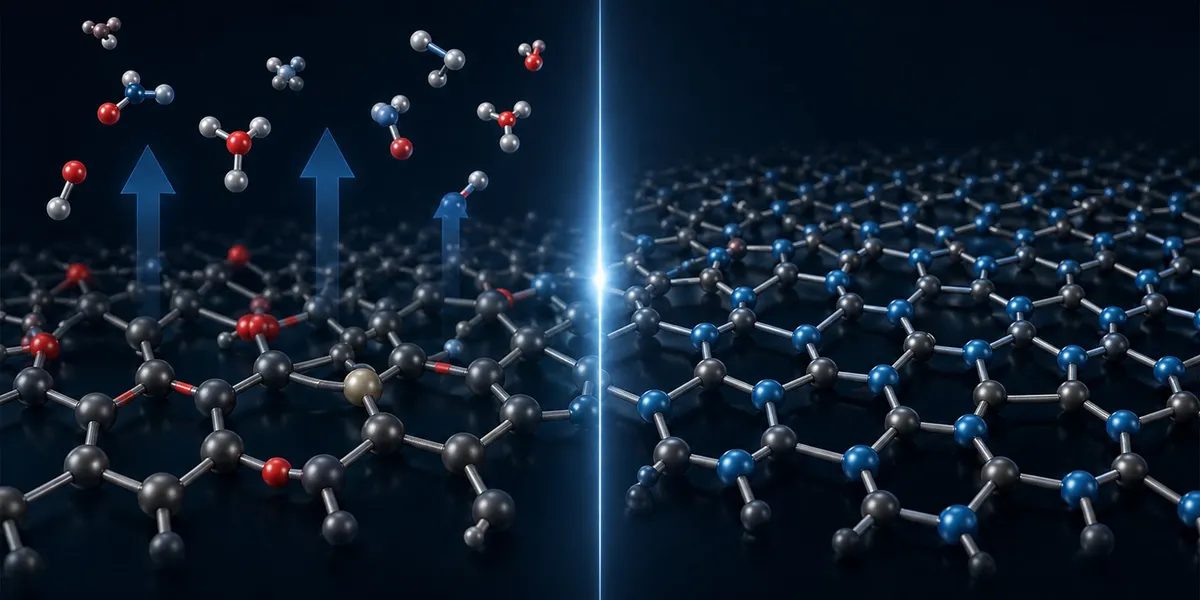
Photo: IEEE Spectrum
Quick answer
Клеевые составы с низким газовыделением соответствуют строгим стандартам NASA (ASTM E595) для аэрокосмических и оптических систем, предотвращая загрязнение чувствительных компонентов летучими веществами.
In high-tech industries such as aerospace and optical instrument manufacturing, even minor contamination can lead to serious malfunctions. One source of problems is outgassing—a process where volatile substances are released from cured adhesives over time. These compounds, including residual solvents and unreacted monomers, can settle on nearby surfaces, disrupting the operation of sensitive components.
The ASTM E595 standard, developed by NASA, is used to evaluate outgassing levels. During testing, a sample is exposed to a temperature of 125 °C under deep vacuum for 24 hours. A material is considered compliant if the total mass loss (TML) does not exceed 1%, and the collected volatile condensable materials (CVCM) remain below 0.1%. Such parameters are critical for optical systems, where even microscopic contamination can degrade the transparency of lenses or mirrors.
Specialized low-outgassing adhesives are used in spacecraft, satellites, high-vacuum scientific equipment, and semiconductor manufacturing. Master Bond offers a range of products that meet NASA standards, including two-component epoxy systems EP30-2 and EP21TCHT-1. For applications requiring UV curing, compositions like UV16 and hybrid systems such as UV22DC80-10F, which combine UV and thermal curing, are available.
The effectiveness of these materials depends on proper storage, mixing, and curing. For two-component systems, it is crucial to maintain the exact component ratio and ensure thorough mixing. Accelerated curing at temperatures of 65–93 °C improves polymer crosslinking, reducing the risk of outgassing. If contamination issues arise, it is recommended to check the hardness of the cured adhesive and extend thermal treatment if necessary.
Common questions
- Какие стандарты используются для оценки газовыделения клеевых составов?
- Для оценки газовыделения применяется стандарт ASTM E595, разработанный NASA. Он регламентирует условия тестирования: температура 125 °C, глубокий вакуум, 24 часа. Допустимые параметры: TML ≤ 1%, CVCM ≤ 0,1%.
- В каких отраслях применяются клеи с низким газовыделением?
- Такие клеи используются в аэрокосмической промышленности (космические аппараты, спутники), оптическом приборостроении (линзы, зеркала), производстве полупроводников и оборудовании высокого вакуума.
- Какие производители предлагают клеи, соответствующие стандартам NASA?
- Компания Master Bond выпускает линейку продуктов, отвечающих требованиям NASA, включая эпоксидные системы EP30-2, EP21TCHT-1, УФ-отверждаемые составы UV16 и гибридные системы UV22DC80-10F.
- Как правильно использовать двухкомпонентные клеи для минимизации газовыделения?
- Важно соблюдать точное соотношение компонентов, обеспечивать полное перемешивание и проводить ускоренное отверждение при 65–93 °C. Это улучшает сшивку полимера и снижает риск газовыделения.
Dzen feed: /feed/dzen.xml · RSS: /feed.xml