
Animal Cloning: From Species Preservation to Ethical Dilemmas
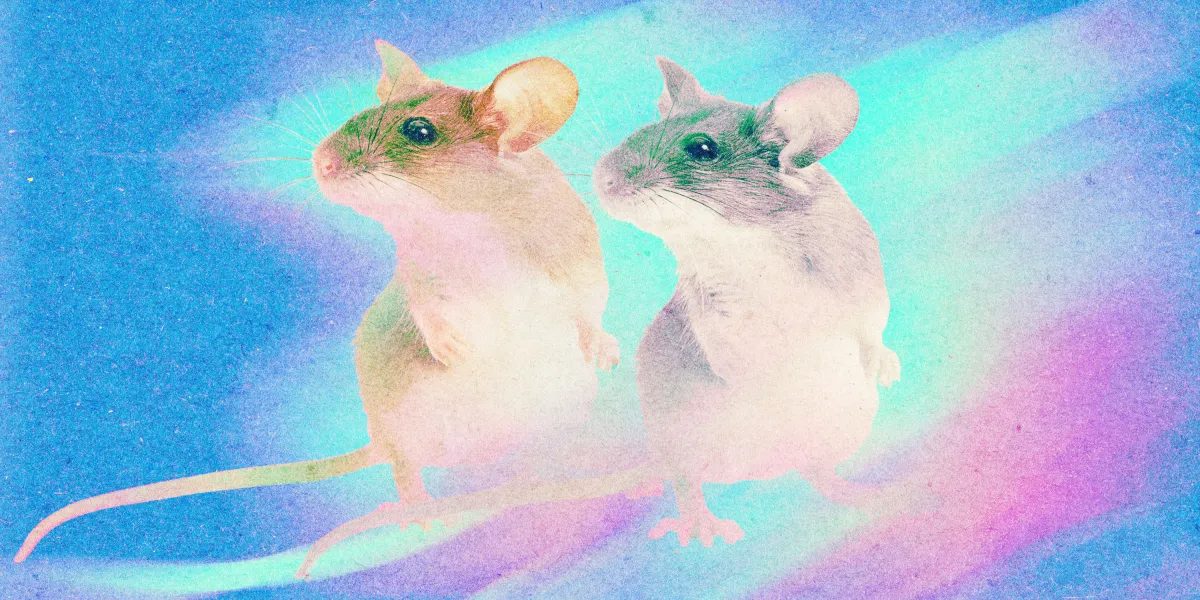
Photo: MIT Technology Review
Quick answer
Animal cloning could help preserve endangered species by utilizing genetic material stored in cryobanks.
Cloning technology, first demonstrated with Dolly the sheep in 1996, continues to evolve and find new applications. Today, scientists view it as a potential tool for preserving endangered species. Researchers at Japan’s Riken BioResource Research Center have proposed using cloning when a species’ population has dwindled to just a few individuals. This could be a lifeline for species on the brink of extinction.
The technique relies on transferring the nucleus of a somatic cell into an egg cell that has had its own genetic material removed. The resulting embryo is then implanted into a surrogate mother. This method produces genetically identical copies of animals, offering opportunities to restore populations with unique genetic traits. For example, cryobanks like San Diego’s “Frozen Zoo” store cell samples from over 1,300 species, some collected decades ago.
However, cloning also raises serious ethical questions. Commercial use of the technology, such as recreating deceased pets, is criticized for exploiting surrogate animals and providing no tangible benefit. Bioethicist Jessica Pierce has labeled this aspect as the “exploitation of the canine underclass.” Meanwhile, in biodiversity conservation, arguments in favor of cloning are more compelling, as the technology could help prevent the extinction of unique species.
Common questions
- How can cloning aid in species conservation?
- Cloning enables the recreation of animals from genetic material preserved in cryobanks. This is crucial for species with critically low populations where traditional breeding methods are ineffective.
- What ethical concerns surround animal cloning?
- Cloning pets is criticized for exploiting surrogate animals and offering no real benefit. For wild species, debates focus on interfering with natural processes and potential ecosystem risks.
- What technologies are used in animal cloning?
- The primary method involves transferring a somatic cell nucleus into an egg cell stripped of its genetic material. The resulting embryo is implanted into a surrogate mother, which carries the clone to term.
Dzen feed: /feed/dzen.xml · RSS: /feed.xml