
Startup Collapse: Why the AI Companion Robot for Kids Failed
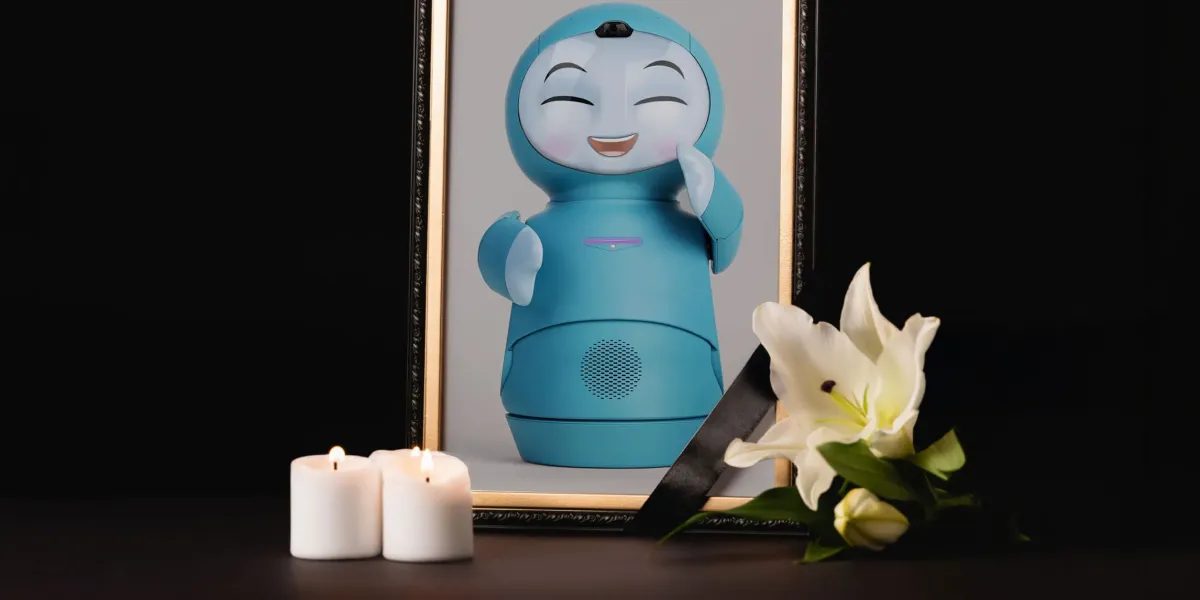
Photo: MIT Technology Review
Quick answer
Moxie, an AI companion designed for social adaptation of neurodivergent children, stopped functioning after its developer filed for bankruptcy and servers were decommissioned.
The Moxie robot, resembling a small astronaut without legs, was designed to assist children with neurodivergence. Standing at about 38 cm tall, the device helped develop social skills typically trained by therapists. However, the project's fate was tragic: the developer company went bankrupt, and the servers required for the robots' operation were shut down.
Parents attempted to salvage the devices by reflashing them before the servers were disabled, but many Moxie units became useless toys. This situation exposed the risks of cloud dependency and the unreliability of startup business models in AI. Users were left without support, and children lost their familiar helper.
The Moxie story is not the only example of innovative projects failing. It raises the question of how to ensure the sustainability of technologies that become part of daily life. This issue is particularly pressing in the children's product segment, where stability and safety must be top priorities.
Common questions
- What was the purpose of the Moxie robot?
- Moxie was developed as an AI companion to assist children with neurodivergence, such as autism. It helped develop social skills and provided emotional support.
- Why did Moxie robots stop working?
- The manufacturer went bankrupt, and the servers required for the robots' operation were shut down. Without cloud infrastructure, Moxie lost its functionality.
- What lessons can be learned from this story?
- The Moxie case highlights the vulnerabilities of cloud solutions and the risks of dependency on startups. Users and investors should prioritize long-term stability in tech products.
Dzen feed: /feed/dzen.xml · RSS: /feed.xml