
Margaret Atwood Criticizes AI for 'Garbage In, Garbage Out' Flaws
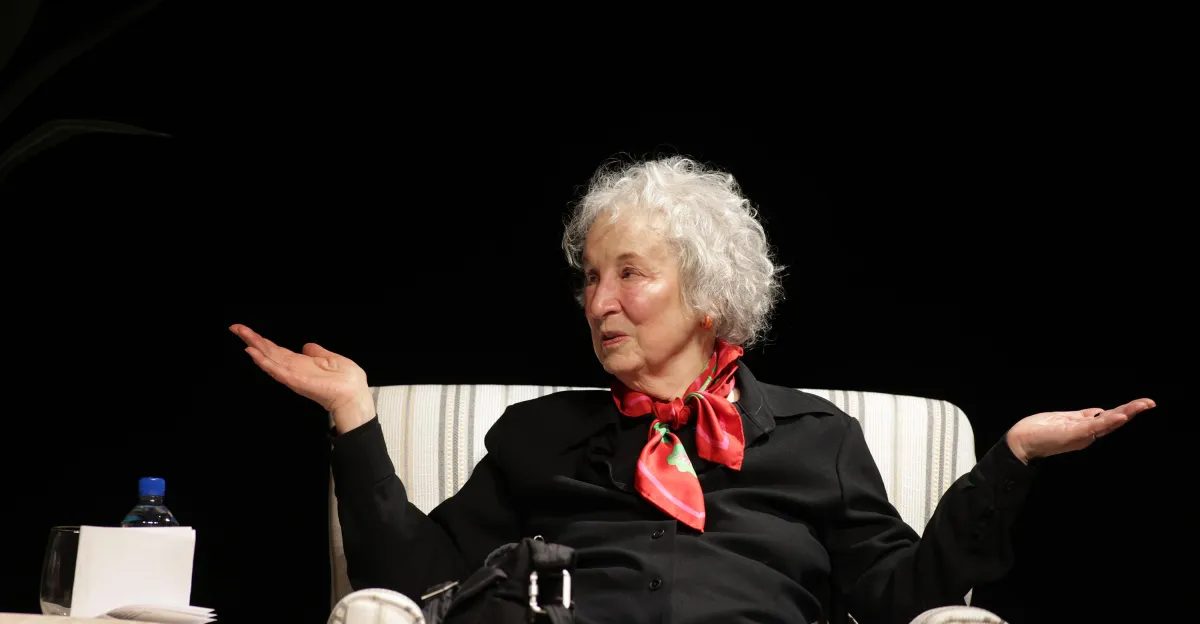
Photo: The Verge
Quick answer
Margaret Atwood criticized AI for its unreliability, attributing it to the 'garbage in, garbage out' principle where flawed training data produces erroneous results.
Renowned author Margaret Atwood, whose works *The Handmaid’s Tale* and *The Blind Assassin* have become modern literary classics, criticized artificial intelligence at the Babell festival in Porto. She argued that the technology suffers from a classic problem: the quality of output is directly tied to the quality of input data.
Atwood shared her experience interacting with the Anthropic Claude chatbot, which she used to research the British detective series *Father Brown*. Instead of accurate information, the AI provided incorrect data because it analyzed reviews that omitted key plot details. The author emphasized that AI cannot recognize its own mistakes, as it lacks human-like reasoning.
Additionally, Atwood labeled AI users as 'opportunists' who seek shortcuts without verifying algorithmic outputs. She stressed that even in business environments, data derived from AI must be rigorously validated, as the technology is prone to errors due to limited training datasets.
Common questions
- Why does Margaret Atwood criticize AI?
- Atwood argues AI is unreliable because it relies on low-quality training data, as demonstrated when a chatbot provided incorrect information without realizing the error.
- What example of AI error did the author cite?
- The Anthropic Claude chatbot gave incorrect details about the detective series *Father Brown* after analyzing reviews that omitted crucial plot points.
- Why did Atwood call AI users 'opportunists'?
- She believes people use AI to cut corners without verifying results, risking errors and misinformation due to the technology's inherent limitations.
Dzen feed: /feed/dzen.xml · RSS: /feed.xml