
Microsoft, Atom Computing, and EeroQ Accelerate Quantum Computer Development
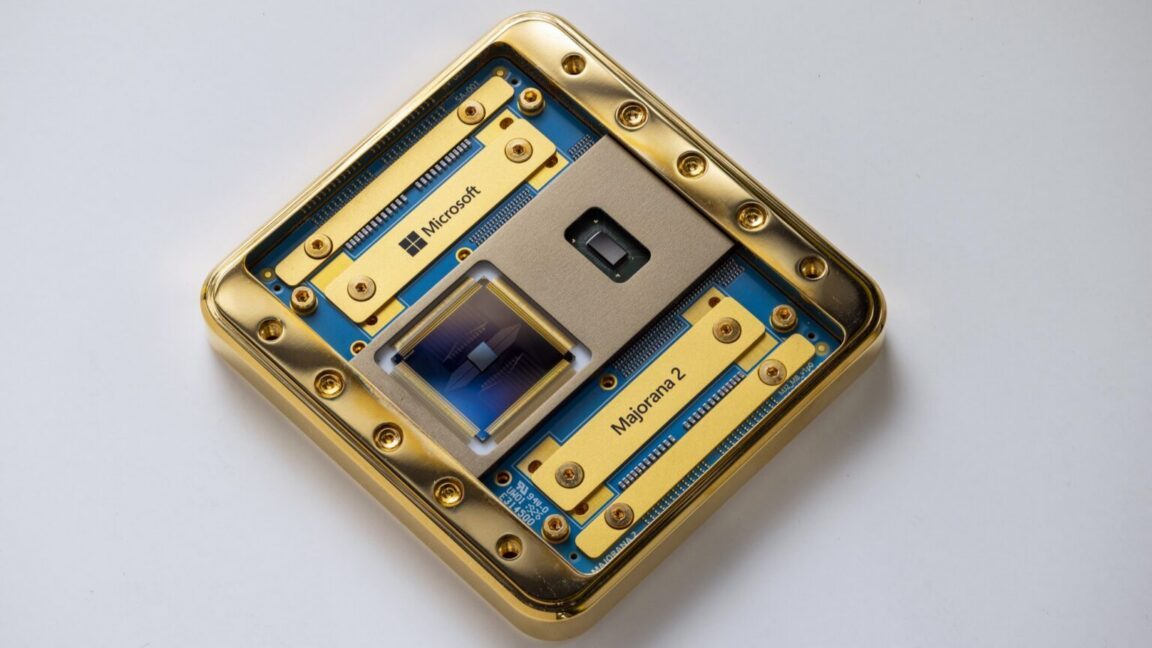
Photo: Ars Technica
Quick answer
Ведущие игроки в сфере квантовых вычислений — Microsoft, Atom Computing и EeroQ — поделились последними достижениями в разработке квантовых компьютеров. Эти обновления демонстрируют прогресс в создании более стабильных и масштабируемых систем, что приближает отрасль к практическому применению технологий.
Microsoft, Atom Computing, and EeroQ have presented new data on progress in quantum computing. Their developments aim to overcome key technical barriers, including qubit stability and system scalability.
Atom Computing, specializing in neutral-atom quantum computers, reported a significant increase in qubit coherence time. This enables more complex computations without data loss. Meanwhile, EeroQ demonstrated progress in developing electron-based qubits, which could reduce costs and simplify quantum processor production.
Microsoft, actively developing its Azure Quantum platform, emphasized the integration of quantum solutions with classical cloud services. The company is also working on improving algorithms to optimize tasks in logistics, finance, and materials science.
Experts note that despite significant progress, widespread adoption of quantum computers remains distant. Key challenges persist, including computation errors and the need for reliable error-correction systems.
Common questions
- Common questions
- Ведущие игроки в сфере квантовых вычислений — Microsoft, Atom Computing и EeroQ — поделились последними достижениями в разработке квантовых компьютеров. Эти обновления демонстрируют прогресс в создании более стабильных и масштабируемых систем, что приближает отрасль к практическому применению технологий.
Dzen feed: /feed/dzen.xml · RSS: /feed.xml