
Musician Tom Vek Unveils Sleevenote Digital Player with Design Focus
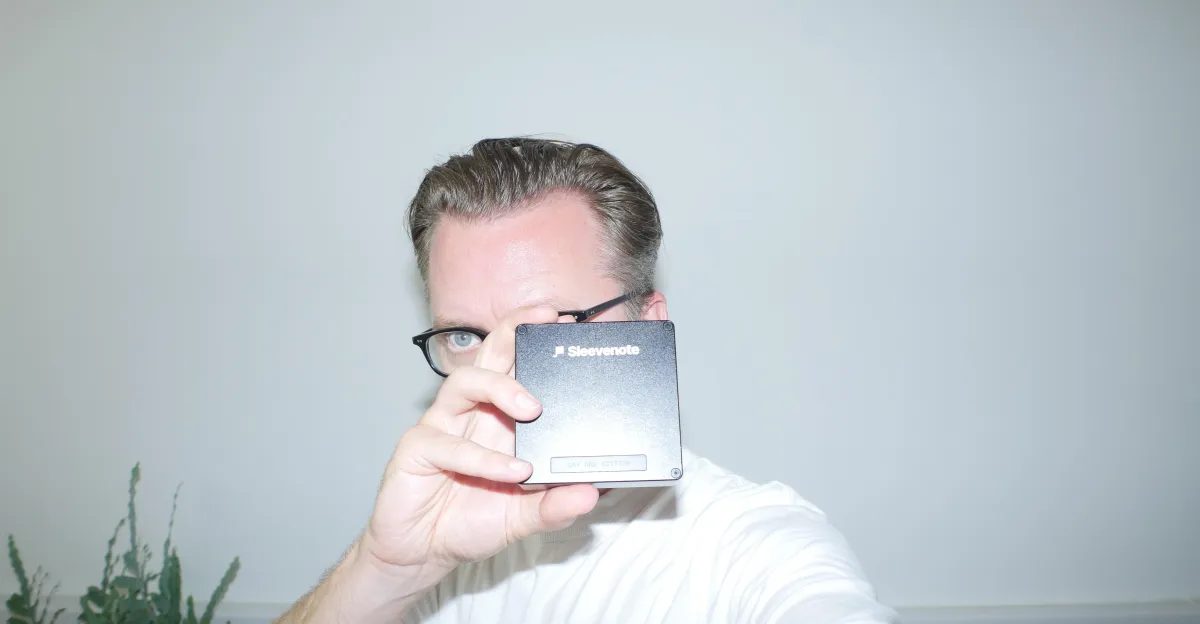
Photo: The Verge
Quick answer
Musician Tom Vek introduces Sleevenote, a digital music player merging vinyl-inspired design with modern digital capabilities.
British musician and entrepreneur Tom Vek, known for albums We Have Sound and Leisure Seizure, has unveiled an updated version of his digital music player, Sleevenote. Launched in 2020, the project initially sought to translate vinyl aesthetics—album covers, liner notes, and packaging—into a digital format. Early prototypes were cumbersome, but the latest model is now sleeker and more affordable.
Sleevenote positions itself as an alternative to streaming services, encouraging users to engage more mindfully with music. Vek argues that digital track purchases provide artists with better revenue than reselling physical media and advocates for independent tech solutions. The limited-edition player is available for $349, with Vek continuing to refine the project.
In an interview, Vek shared his tech preferences, using a MacBook for design and UI work, while critiquing the retro-tech trend. He champions innovation in the music industry, believing the future lies in well-crafted indie projects that pioneer new ideas rather than replicate the past.
Common questions
- What is Sleevenote, and how does it differ from standard music players?
- Sleevenote is a digital music player inspired by vinyl record aesthetics, focusing on album art and liner notes to create a deeper, more intentional listening experience than traditional streaming services.
- Why did Tom Vek decide to create his own music player?
- Vek aims to restore the value of physical music interaction lost in the streaming era. He believes digital music purchases benefit artists more than reselling physical media and supports indie tech projects that innovate rather than replicate the past.
- What challenges did the development of Sleevenote face?
- Early prototypes struggled with component sourcing, particularly square screens, resulting in bulky designs. Subsequent iterations improved compactness and affordability while maintaining the core aesthetic vision.
Dzen feed: /feed/dzen.xml · RSS: /feed.xml