
NASA Cancels Swift Observatory Rescue Mission for Gamma-Ray Studies
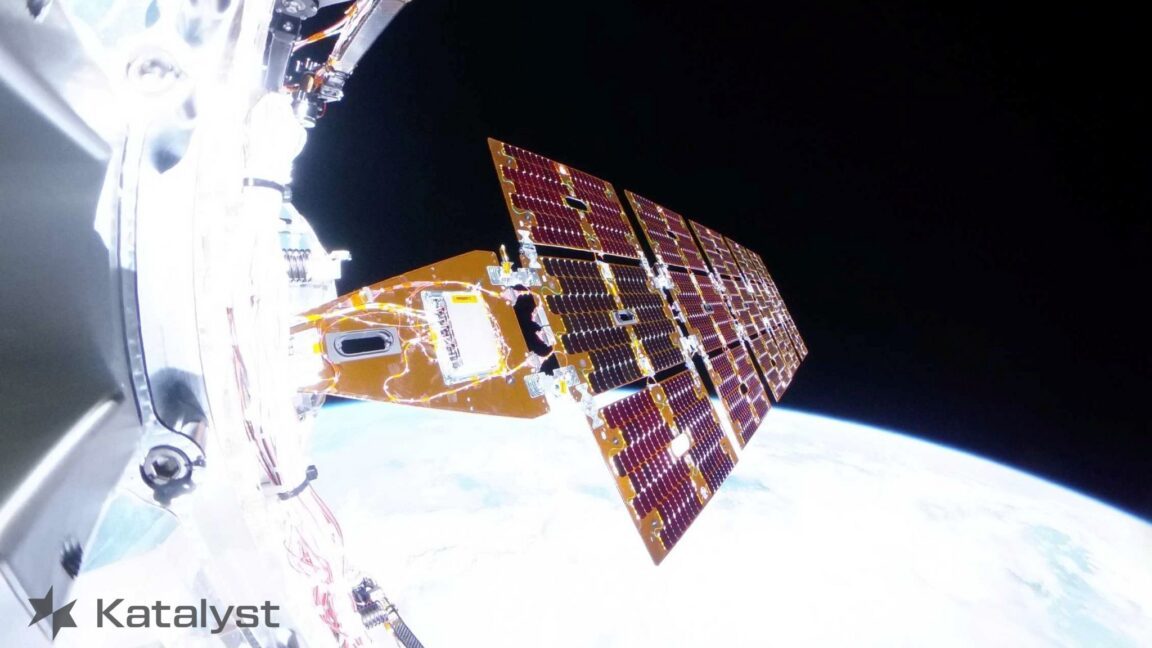
Photo: Ars Technica
Quick answer
NASA canceled the Swift observatory rescue mission due to technical and financial constraints. The spacecraft, launched in 2004, may deorbit in 2024 despite its ongoing scientific contributions.
NASA has officially announced the cancellation of plans to rescue the Swift space observatory, which has spent nearly two decades studying gamma-ray bursts and other high-energy phenomena in the universe. Launched in November 2004, the spacecraft may deorbit this year unless stabilization measures are taken.
Swift is equipped with three primary instruments: a gamma-ray detection telescope (BAT), an X-ray telescope (XRT), and an ultraviolet/optical telescope (UVOT). These tools have significantly contributed to astrophysics, enabling scientists to record and analyze transient cosmic events such as supernova explosions and neutron star mergers.
Despite its ongoing scientific value, NASA has decided not to allocate resources for mission extension. The primary reasons include technical risks associated with aging equipment and the agency's limited budget. The observatory continues to operate for now, but its future remains uncertain.
Experts note that Swift has been one of NASA's most successful astrophysics projects. Over its operational lifetime, the observatory has recorded over a thousand gamma-ray bursts, helping scientists better understand these enigmatic phenomena. Without intervention, the spacecraft may re-enter Earth's atmosphere within the coming months.
Common questions
- What is the Swift observatory and what is it designed for?
- Swift is a NASA space observatory launched in 2004 to study gamma-ray bursts and other high-energy astrophysical phenomena. It is equipped with instruments for rapid detection and analysis of these events.
- Why did NASA decide not to rescue Swift?
- The decision is due to technical challenges and budget constraints. Despite its scientific value, further operation of the observatory is deemed impractical due to the risk of uncontrolled deorbit.
- What are the consequences of canceling the Swift rescue mission?
- The observatory may re-enter Earth's atmosphere in 2024, resulting in the loss of a unique tool for studying gamma-ray bursts. However, NASA will continue analyzing the data already collected.
Dzen feed: /feed/dzen.xml · RSS: /feed.xml