
NASA Spent 13 Years and $500M on Rocket Stage Adapter: Report Explains Project Cancellations
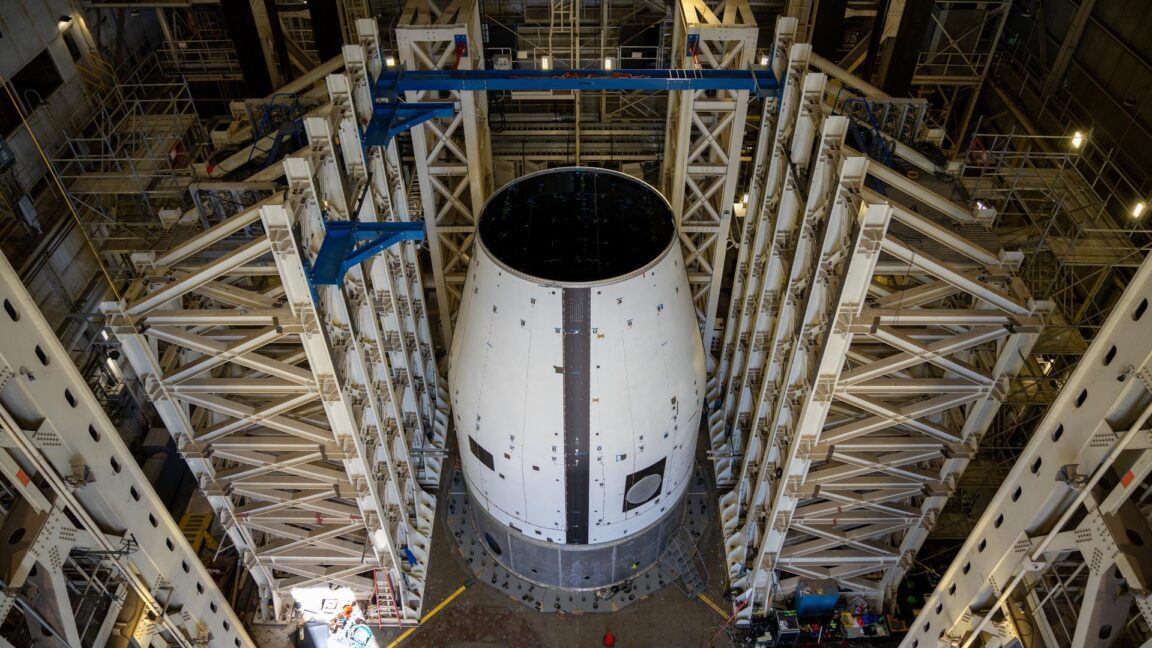
Photo: Ars Technica
Quick answer
NASA faced a twofold increase in costs for its rocket stage adapter, rising from $2.8 billion to $5.9 billion over 13 years.
An independent NASA report has detailed the decade-long development of a rocket stage adapter, whose costs ballooned from $2.8 billion to $5.9 billion. The 13-year project became a case study in inefficient spending and prolonged timelines due to bureaucratic red tape.
Experts point to frequent changes in technical requirements and poor coordination among contractors as the primary issues. As a result, NASA was forced to reassess its priorities and cancel several programs to optimize its budget.
The document highlights that such cases are not isolated. NASA plans to implement new cost and timeline control mechanisms to avoid repeating this situation in the future. Reforms will address both internal processes and external contractor interactions.
Common questions
- Why did NASA cancel some of its projects?
- Project cancellations were driven by uncontrolled cost growth and significant delays. The report confirmed that bureaucratic inefficiencies and mismanagement doubled the expenses of critical components.
- What factors contributed to the cost surge of the rocket stage adapter?
- Key factors included a 13-year development timeline, contractor coordination challenges, and shifting technical requirements. Bureaucracy also slowed decision-making processes.
- What lessons did NASA learn from this experience?
- The agency acknowledged the need to reform project management processes to prevent future cost overruns. The report emphasizes the importance of transparency and strict budget control.
Dzen feed: /feed/dzen.xml · RSS: /feed.xml