
New Surveillance Tech Links Smartphones to License Plates
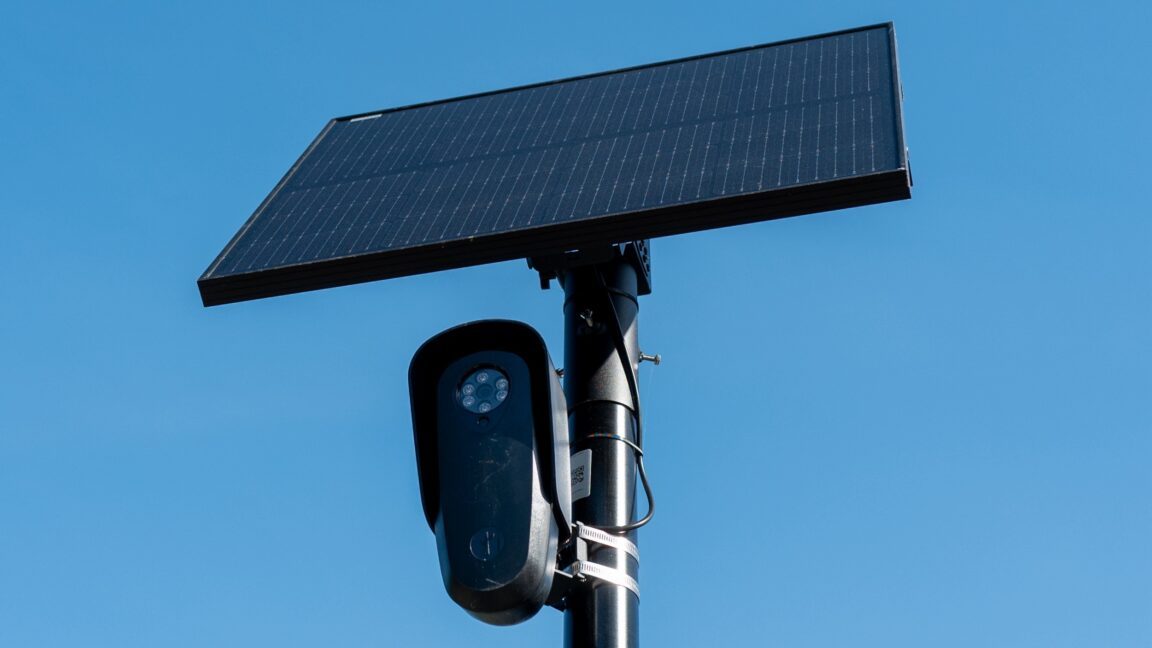
Photo: Ars Technica
Quick answer
A new surveillance technology integrates license plate recognition data with Bluetooth/Wi-Fi signals from smartphones, enabling identification of vehicle owners.
Companies specializing in surveillance systems are developing technology that combines data from license plate recognition cameras with Bluetooth or Wi-Fi signals from smartphones. This enables not only tracking the vehicle but also identifying its owner or passengers via unique device identifiers.
Developers claim the technology is designed to enhance road and public safety. For example, it could be used to locate stolen vehicles or track suspicious individuals. However, cybersecurity experts warn that such systems could become tools for mass data collection without users' knowledge.
Critics highlight that the technology opens new avenues for surveillance by government agencies and commercial entities. In particular, data could be leveraged for targeted advertising or monitoring citizens' movements. While still in the testing phase, its potential adoption raises concerns among privacy advocates and data protection specialists.
In the U.S., pilot projects are already integrating such systems into smart city infrastructure. If widely adopted, this technology could reshape approaches to security and privacy in the digital age.
Common questions
- How does the new car surveillance technology work?
- The system captures license plates via cameras and simultaneously scans Bluetooth/Wi-Fi signals from smartphones inside the vehicle. These data points are then correlated to link the vehicle with its owner or passengers.
- What risks does this technology pose to users?
- The primary risks involve privacy violations: data can be collected without consent and used for tracking, marketing, or surveillance. Misuse by government or commercial organizations is also a major concern.
- Where is this technology already being used?
- Pilot projects are underway in the U.S. and other countries with advanced smart surveillance systems. While mass adoption isn't yet confirmed, experts anticipate wider deployment in the coming years.
Dzen feed: /feed/dzen.xml · RSS: /feed.xml