
New Algorithm Based on Sparse Coding Learns Without Losing Old Knowledge
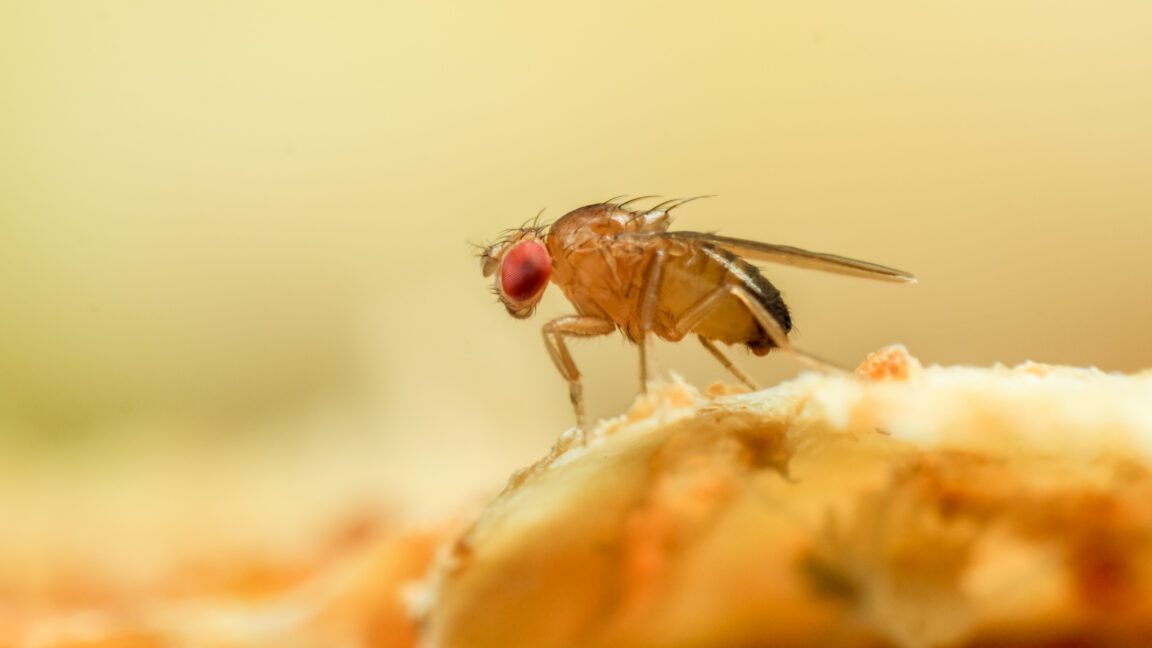
Photo: Ars Technica
Quick answer
Researchers developed a machine learning algorithm inspired by insects' ability to learn new scents without losing prior memory.
Researchers in the U.S. have introduced a new machine learning algorithm inspired by insects' ability to rapidly adapt to new scents while retaining memory of prior ones. The technology, called sparse coding, allows models to train efficiently even on low-power devices.
The approach is based on the neural networks of insects like fruit flies, which can quickly learn new scents without forgetting previously studied ones. The algorithm mimics this mechanism by minimizing the number of active neurons for data processing, reducing system load and preventing catastrophic forgetting—the loss of prior knowledge when learning new tasks.
According to the authors of the study, published in Nature Communications, the new method could be particularly useful for resource-constrained devices such as IoT sensors or mobile platforms. This opens opportunities for real-time applications where both learning speed and data retention are essential.
Experts note that the approach could be applied not only in robotics and sensor networks but also in developing more efficient machine learning models for edge devices. In the future, researchers plan to test the algorithm on real-world tasks, such as image recognition or audio signal processing.
Common questions
- What is sparse coding in the context of machine learning?
- It is a data representation method that uses minimal active neurons to process information, reducing computational costs and preventing the loss of previously acquired knowledge.
- Why is this algorithm compared to insects?
- Because insects like fruit flies can quickly learn new scents without losing memory of previous ones, which inspired the new machine learning model.
- What are the advantages of the new algorithm?
- It enables training models on resource-constrained devices, such as IoT devices or mobile platforms, without losing previously accumulated knowledge.
Dzen feed: /feed/dzen.xml · RSS: /feed.xml