
Nvidia Hides Hotspot Temperature Data on Blackwell GPUs — Sensor Accessible Only via Internal Tool
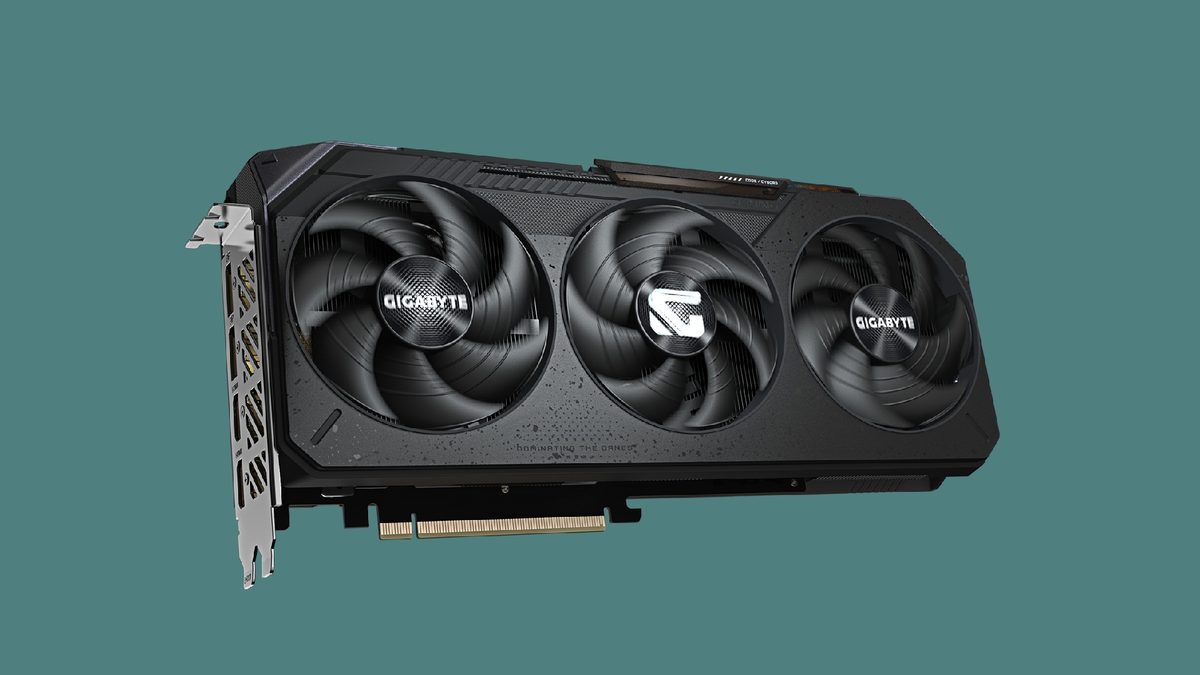
Photo: Tom's Hardware
Quick answer
Nvidia has restricted access to hotspot temperature sensors on RTX 5000 (Blackwell) GPUs, leaving diagnostics possible only through its internal MODS tool.
Repair experts have discovered that Nvidia deliberately hides hotspot temperature data on Blackwell architecture GPUs, including the RTX 5070 Ti. Standard monitoring utilities like HWiNFO or MSI Afterburner fail to display these critical readings, even though the sensor is physically present on the board. Access is restricted to Nvidia’s proprietary MODS (Modular Diagnostics Software), which operates exclusively in Linux and remains inaccessible to regular users.
Brazilian technician Paulo Gomes’ testing revealed that an RTX 5070 Ti from Gigabyte reached a scorching 107°C at the hotspot under load, while standard tools reported just 67–68°C. At such temperatures, the GPU automatically throttled to prevent damage. Upon disassembly, the issue stemmed from uneven thermal paste application, causing localized overheating. Reapplying high-quality thermal material reduced temperatures to a safer 100°C.
Nvidia’s decision to restrict sensor access likely stems from design flaws in RTX 5000-series PCBs. Earlier reports highlighted overheating issues in specific board areas, even when core temperatures appeared normal. This was exacerbated by Nvidia’s recommendations to partners prioritizing ideal assembly conditions over real-world usage scenarios. As a result, users cannot independently diagnose overheating risks, increasing the likelihood of premature GPU failure.
Common questions
- Why did Nvidia hide hotspot temperature data on RTX 5000 GPUs?
- The company likely restricted access to avoid user panic over high temperatures caused by thermal interface and PCB design flaws, but this prevents timely overheating detection.
- How can users check the real hotspot temperature on Blackwell GPUs?
- Nvidia’s internal MODS tool is required, which is Linux-exclusive and unavailable to the public, used only in service centers for diagnostics.
- What risks does hotspot overheating pose to GPUs?
- Prolonged exposure to temperatures above 107°C triggers throttling, performance drops, and accelerated chip degradation, leaving users unable to take preventive action without proper data.
Dzen feed: /feed/dzen.xml · RSS: /feed.xml