
First 'Advanced User' of a Brain Implant and South Korea's AI Passion
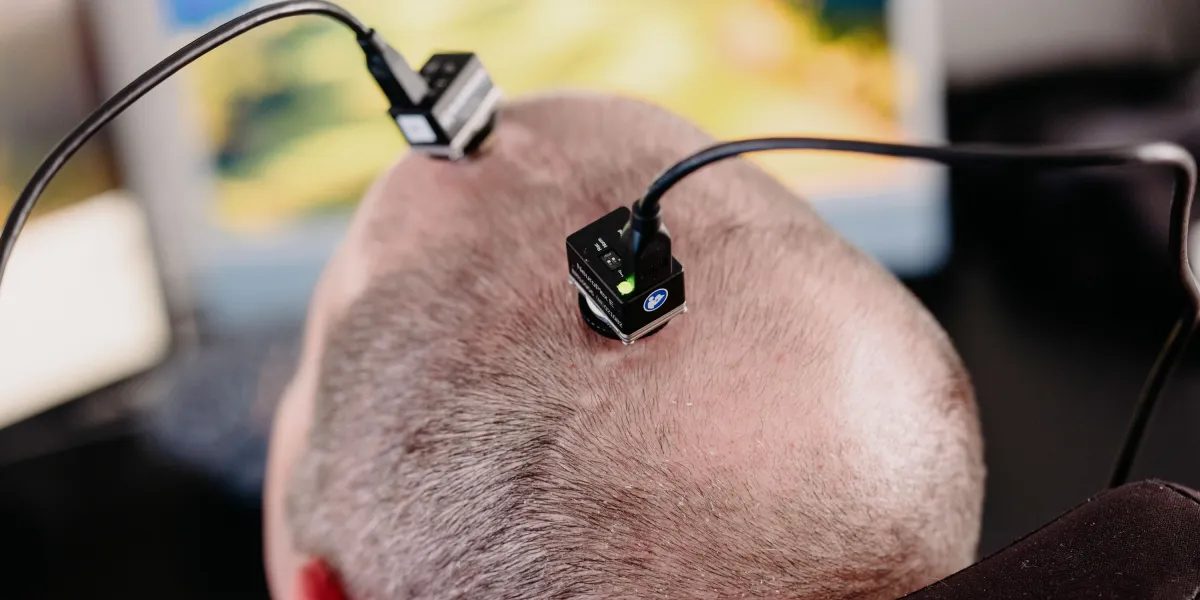
Photo: MIT Technology Review
Quick answer
Casey Harrell has become the first active user of a brain-computer interface (BCI), enabling daily tasks despite ALS.
Casey Harrell, a patient diagnosed with amyotrophic lateral sclerosis (ALS), has become the first person to actively and independently use a brain-computer interface (BCI) in daily life. The device enables him to work, browse the internet, and perform other tasks without assistance. Developers refer to Harrell as the 'first advanced user' of the technology and plan further system enhancements.
Brain-computer interfaces are unlocking new possibilities for people with severe neurological conditions by compensating for lost functions. The team behind the project has already added new features to the device and continues real-world testing. Harrell notes that the technology allows him to pursue his dreams and plans without limitations imposed by his condition.
While concerns about artificial intelligence grow in the U.S., South Korea demonstrates record-high optimism. According to a Pew Research Center study, only 16% of its residents express more concerns than excitement about AI—the lowest figure among 25 surveyed countries. For comparison, skepticism in the U.S. reaches 50%.
Experts attribute this mindset to Koreans' deep conviction that technology is the foundation of progress and global competitiveness. Artificial intelligence has become a new symbol of this strategy, and the country is actively investing in its development to maintain leadership in the global tech race.
Common questions
- What is a brain-computer interface (BCI) and how does it help people with ALS?
- A brain-computer interface (BCI) is a technology that enables direct interaction with computers or other devices using brain signals. For people with ALS, who lose the ability to speak and move, BCI opens opportunities for communication, work, and internet use.
- Why is South Korea so positive about artificial intelligence?
- In South Korea, technology is seen as key to modernization and global competitiveness. AI is viewed as a natural extension of this strategy, explaining the high level of trust and enthusiasm among the population.
- What are the developers' plans for Casey Harrell's brain implant?
- The development team aims to add new features to the device to expand its capabilities and make it even more convenient and effective for patients with limited physical abilities.
Dzen feed: /feed/dzen.xml · RSS: /feed.xml