
Why Antivirus on Your Smartphone Isn’t as Important as 7 Other Habits
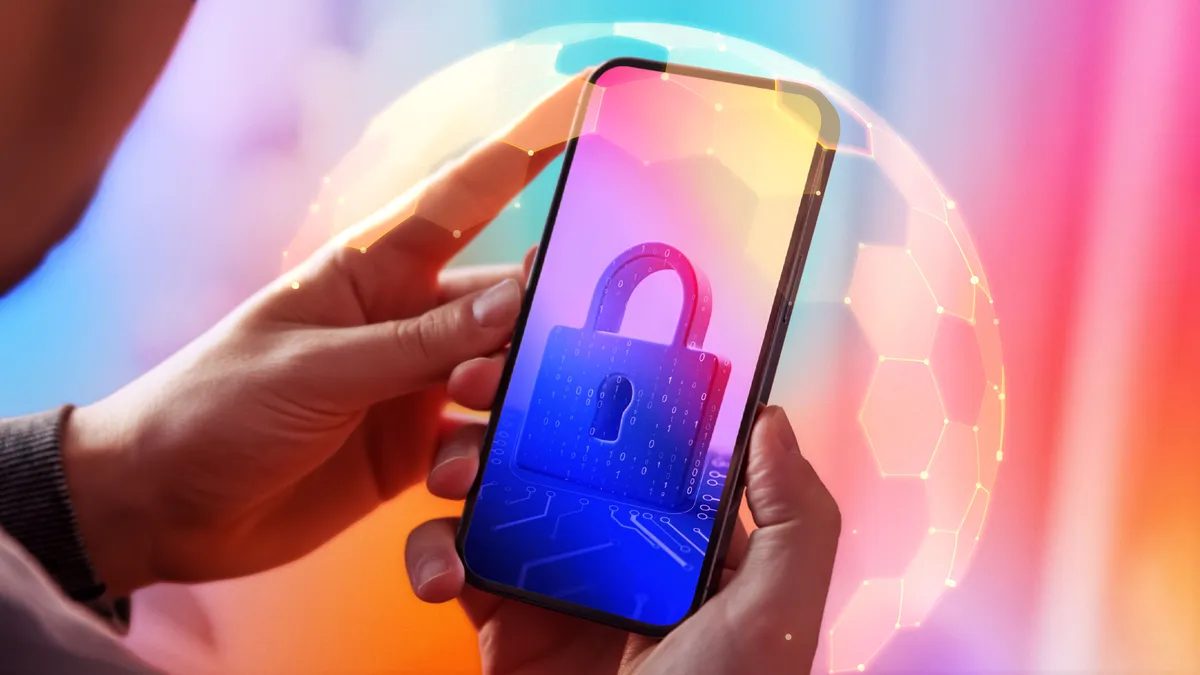
Photo: CNET
Quick answer
Antivirus on smartphones is less critical than account protection and mindful device usage. Built-in iOS and Android security mechanisms reliably guard against malware, but phishing and social engineering remain the top…
Modern smartphones, whether running iOS or Android, significantly outperform desktop computers in terms of built-in security. Apple and Google have integrated mechanisms that make it difficult for traditional malware to infiltrate their platforms. For instance, iPhones employ strict app isolation and mandatory App Store moderation, while Android offers Google Play Protect and permission controls. These measures make smartphones far less vulnerable to viruses than PCs from a decade ago.
However, the primary threats to users have shifted toward social engineering. Phishing messages, fake websites, and fraudulent calls have become the main tools for cybercriminals. Such attacks do not require technical vulnerabilities—just tricking users into entering credentials on fake sites or clicking malicious links. Built-in security measures cannot prevent these incidents, as they exploit human factors.
Cybersecurity experts recommend focusing on measures that reduce the risk of data compromise. These include regularly updating the system and apps, using two-factor authentication (preferably not via SMS), controlling permissions for installed apps, and exercising caution with suspicious messages. Storing passwords in managers like Bitwarden or 1Password also enhances security.
Antivirus apps for smartphones may only be useful in specific scenarios. For example, if a user frequently installs apps from unofficial sources (sideloading) or downloads files from dubious websites. In most cases, built-in security mechanisms are sufficient to protect the device. The key is to follow basic digital hygiene practices and never neglect updates.
Common questions
- Is antivirus necessary on modern smartphones?
- In most cases, no. Built-in security mechanisms in iOS and Android, such as app isolation and regular updates, provide sufficient protection against malware. Antivirus apps may only be useful in high-risk scenarios, such as installing apps from unofficial sources.
- What threats to smartphones are more dangerous than viruses?
- The primary risks involve phishing, fraudulent websites, and account credential theft. Cybercriminals leverage social engineering to trick users into entering passwords on fake pages or clicking malicious links.
- Which security measures are more effective than antivirus?
- Key measures include updating the system and apps regularly, enabling two-factor authentication (preferably not via SMS), managing app permissions, exercising caution with suspicious messages and links, and storing passwords in managers like Bitwarden or 1Password.
Dzen feed: /feed/dzen.xml · RSS: /feed.xml