Why the Perfect Universal Remote Never Became a Reality
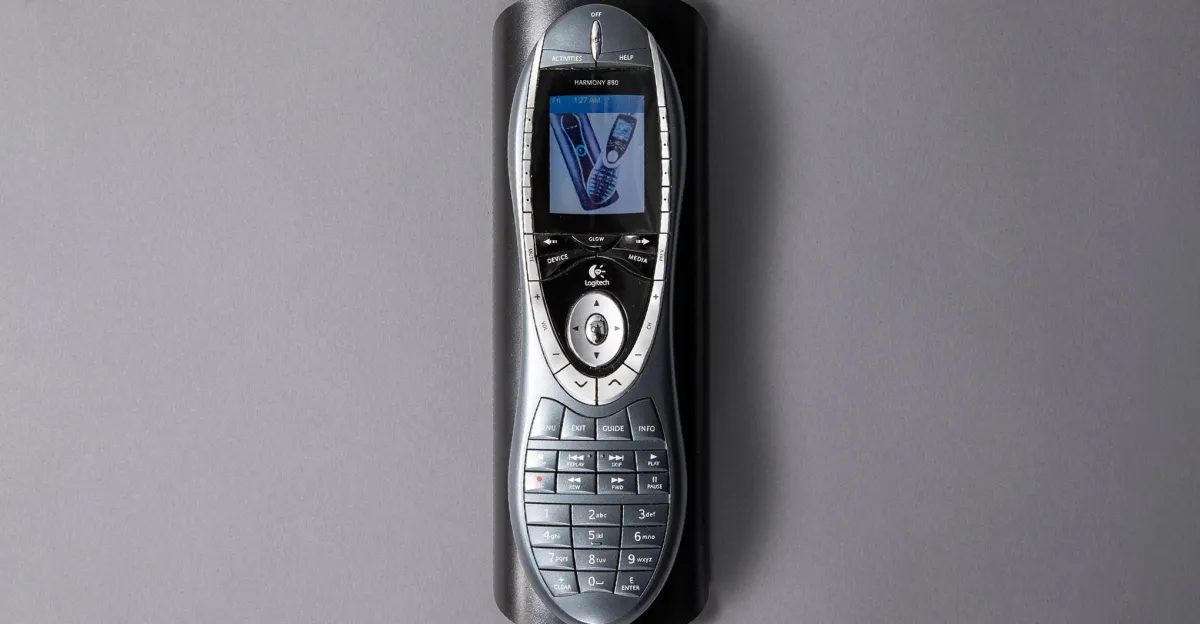
Photo: The Verge
Quick answer
Logitech’s Harmony universal remote led the market but failed to achieve mass adoption due to integration complexities with an expanding array of devices and the rise of smart ecosystems.
The idea of a universal remote for home devices seemed obvious: one device instead of many. In the 2000s, Logitech launched Harmony—a product that set the standard in this category for years. The remote allowed users to control TVs, audio systems, gaming consoles, and even some smart devices through a single interface. However, even Harmony failed to address the core issue: universal control required constant updates and complex setup, deterring mainstream users.
Harmony’s creators initially marketed it as a simple solution, but the market changed over time. Smart TVs with built-in remotes, voice assistants (such as Alexa and Google Assistant), and mobile apps took over some of its functions. Logitech attempted to adapt, but it couldn’t compete with more flexible and accessible alternatives. Ultimately, even the market leader became obsolete.
Experts note that Harmony’s story is not just about technological limitations but also about evolving user expectations. Today, device control must be intuitive and instant, not reliant on complex configurations. Universal remotes remain niche products for enthusiasts, while the mass market has transitioned to simpler, integrated solutions.
Common questions
- What is the Harmony universal remote?
- Harmony is a line of universal remotes from Logitech designed to control multiple devices (TVs, audio systems, gaming consoles) via a single interface. Popular in the 2000s, the product gradually lost relevance as technology evolved.
- Why didn’t universal remotes become the standard?
- Key reasons include complex setup, limited compatibility with newer devices, and the rise of integrated systems (e.g., smart TVs). Users shifted to simpler, ecosystem-based solutions from Apple, Google, or Amazon.
- Is there a future for universal remotes?
- Possibly, but only in niche segments like professional media centers or corporate setups. For the mass market, the technology lost relevance due to voice control and mobile apps.
Dzen feed: /feed/dzen.xml · RSS: /feed.xml