
Why Wired Android Auto Outperforms Wireless: Testing Results
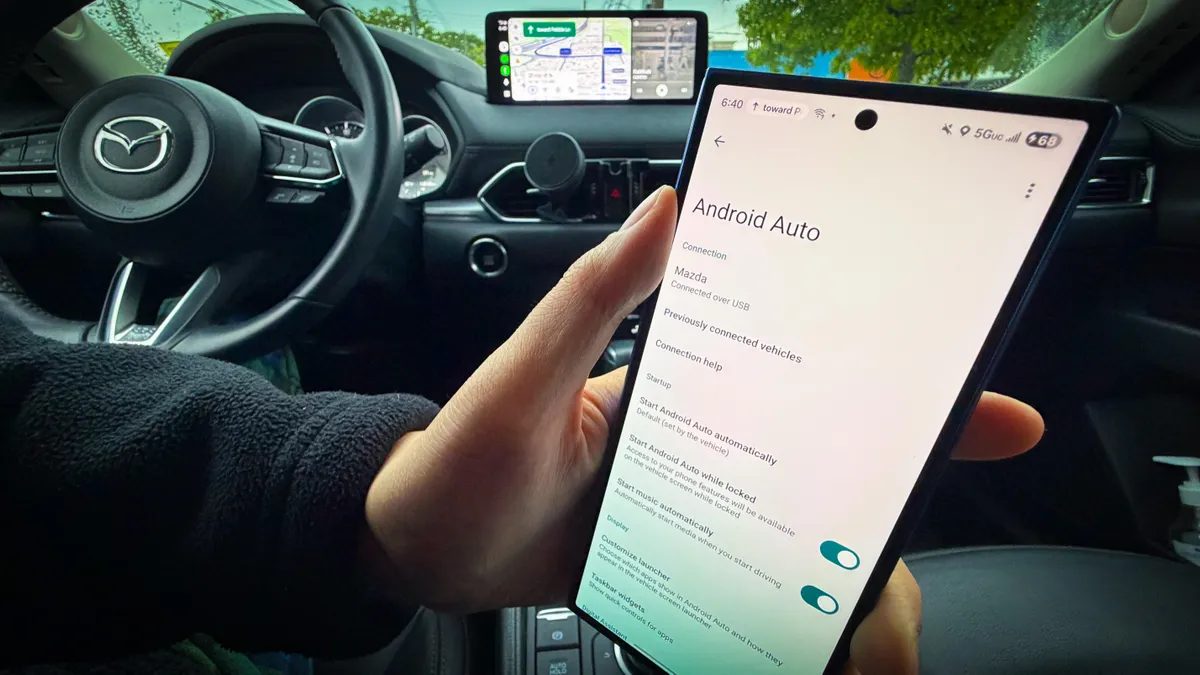
Photo: ZDNet
Quick answer
Wired Android Auto eliminates lag, enhances audio quality, and reduces smartphone battery strain compared to wireless connections.
A ZDNet expert conducted a comparative test of wired and wireless Android Auto and concluded that cable connectivity delivers superior stability. Despite the popularity of wireless solutions, wired connections eliminate interface lag and enhance music streaming quality. The benefits are especially pronounced in hot weather, when smartphones overheat and drain faster.
The author noted that wireless connections via Wi-Fi Direct and Bluetooth often fail when driving over bumps or through tunnels. Even in modern cars and smartphones, disconnections can occur. Wired connections avoid these issues and also provide cleaner audio—deeper bass and clearer vocals—even without equalizer adjustments.
Another advantage of cable connectivity is reduced battery strain. Wireless charging in cars heats smartphones more, accelerating battery wear. The author recommends using data-capable cables and magnetic adapters to prevent device port damage. To extend battery life, they also advise limiting charging to 80% via smartphone settings.
Common questions
- What are the benefits of wired Android Auto?
- Wired connections reduce lag, improve audio quality, and minimize smartphone heating. They also perform more reliably in weak signal zones and extend battery lifespan.
- Why does wireless Android Auto drain the phone faster?
- Wireless mode uses Wi-Fi, Bluetooth, and navigation simultaneously, increasing battery load. In hot weather, this leads to rapid discharge and overheating.
- Which cable is best for Android Auto?
- Opt for data-capable cables, preferably nylon ones for durability. Magnetic adapters help prevent port damage to your device.
Dzen feed: /feed/dzen.xml · RSS: /feed.xml