
Why Heat Pumps Remain Popular in the U.S. Despite Tax Incentive Cuts
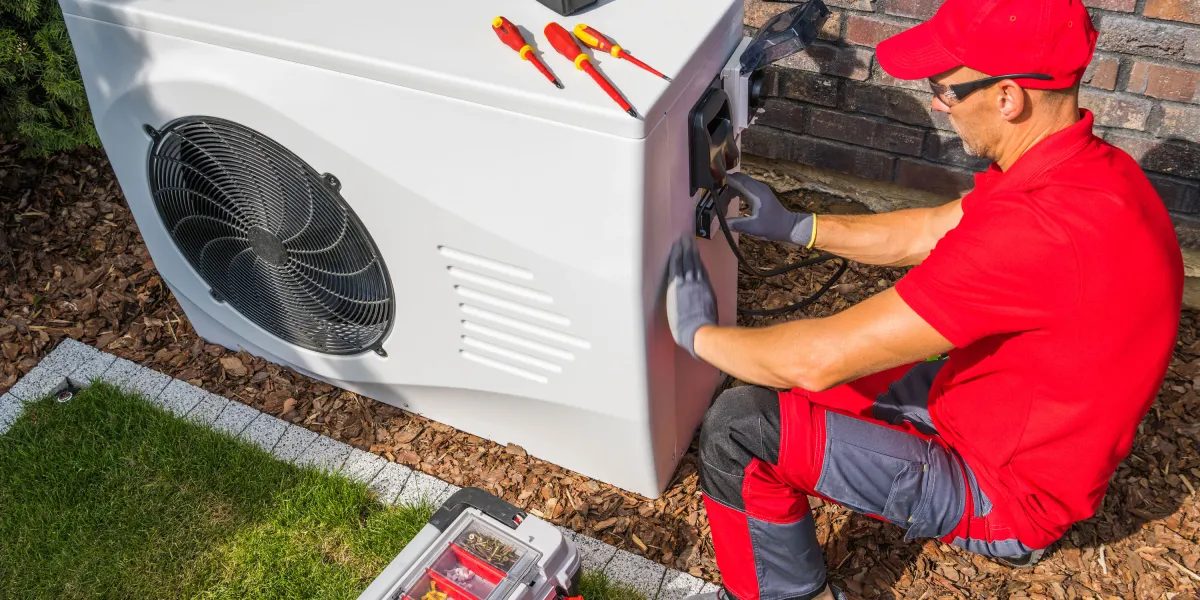
Photo: MIT Technology Review
Quick answer
Heat pumps in the U.S. maintain strong demand even after federal tax credits expired in 2026. Sales growth is fueled by long-term energy savings, reduced CO₂ emissions, and building decarbonization efforts, proving the…
In early 2026, the U.S. federal tax credit program for heat pumps—offering up to $2,000 per installation since 2023—came to an end. Contrary to expectations, demand for these systems not only held steady but continued to rise. Data from the Air Conditioning, Heating, and Refrigeration Institute (AHRI) shows that heat pump shipments increased from January to March, aligning with seasonal trends but with sharper growth than in prior years.
Heat pumps leverage electricity to transfer heat, delivering far greater efficiency than traditional gas or oil heating systems. While upfront costs are higher, operational expenses are significantly lower, offsetting the initial investment over time. Additionally, the technology plays a critical role in building decarbonization by eliminating fossil fuel combustion and reducing CO₂ emissions.
Industry experts attribute the sustained interest in heat pumps to their long-term advantages. Unlike the U.S. electric vehicle market—where sales plummeted after subsidy cuts in September 2025—consumers investing in heat pumps focus on multi-year savings. Lucas Davis, an energy economist at UC Berkeley, notes that seasonal demand in 2026 exceeded prior years, signaling the technology’s growing mainstream adoption.
Common questions
- What is a heat pump and how does it work?
- A heat pump is an electric device that transfers heat from one location to another using a refrigerant cycle. It efficiently heats homes in winter and cools them in summer by compressing and expanding refrigerant, delivering superior performance with lower energy consumption than traditional HVAC systems.
- Why are heat pumps considered eco-friendly?
- Heat pumps reduce carbon emissions by eliminating fossil fuel combustion for heating. Their high energy efficiency cuts electricity demand, lowering a building’s overall carbon footprint while providing reliable climate control year-round.
- How did the end of subsidies affect the U.S. heat pump market?
- Unlike electric vehicles—where sales dropped sharply after incentive cuts—heat pump demand remained robust. Consumers prioritize long-term savings and decarbonization benefits, making the technology resilient to policy changes.
Dzen feed: /feed/dzen.xml · RSS: /feed.xml