
RAM and Storage Price Surge Impacts Entire Electronics Market
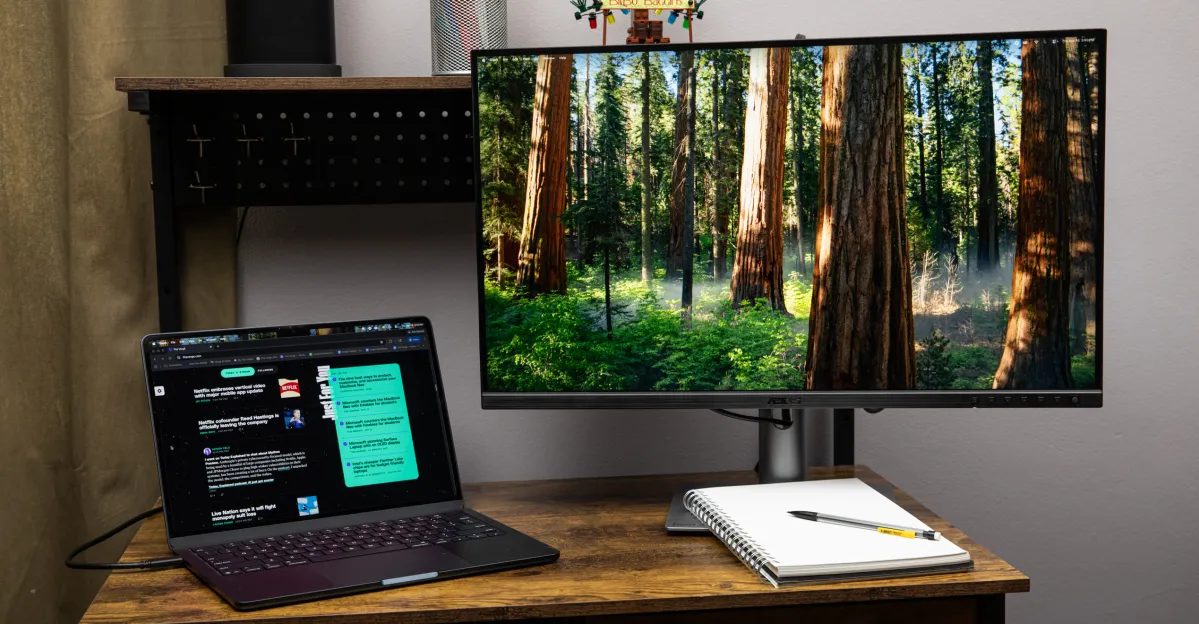
Photo: The Verge
Quick answer
The surge in memory and storage chip prices has driven up costs across the electronics sector, including PCs, laptops, consoles, smartphones, and tablets.
The global electronics market faces a significant challenge: prices for key components like RAM, SSDs, and HDDs have surged. This has triggered a ripple effect, increasing costs for devices ranging from desktop PCs and laptops to gaming consoles, smartphones, and tablets.
Manufacturers are adjusting product pricing to offset higher component costs. Even Apple devices, traditionally positioned as premium yet stable in price, have not escaped this trend. For example, new MacBook models have become more expensive, despite previously being perceived as better value compared to competitors.
Experts attribute the price increases to multiple factors: post-pandemic demand surges, supply chain disruptions, and semiconductor market volatility. While the timeline for stabilization remains unclear, consumers must now adapt to these new pricing realities.
Common questions
- Why have RAM and storage prices increased?
- The price hike is driven by rising global costs of memory chips and storage components, which have increased production expenses and led to higher end-device prices.
- Which devices have become more expensive due to component price rises?
- Desktops, laptops, gaming consoles, smartphones, tablets, and even MacBooks have all seen price increases. Nearly all electronics categories using RAM, SSDs, or HDDs have been affected.
- How long might the component price surge last?
- It’s difficult to predict, but experts attribute the current situation to semiconductor market fluctuations and fluctuating electronics demand. Price stabilization depends on supply chain recovery and reduced demand.
Dzen feed: /feed/dzen.xml · RSS: /feed.xml