
Microsoft's CO₂ Emissions Surge 25% in a Year Due to Data Centers
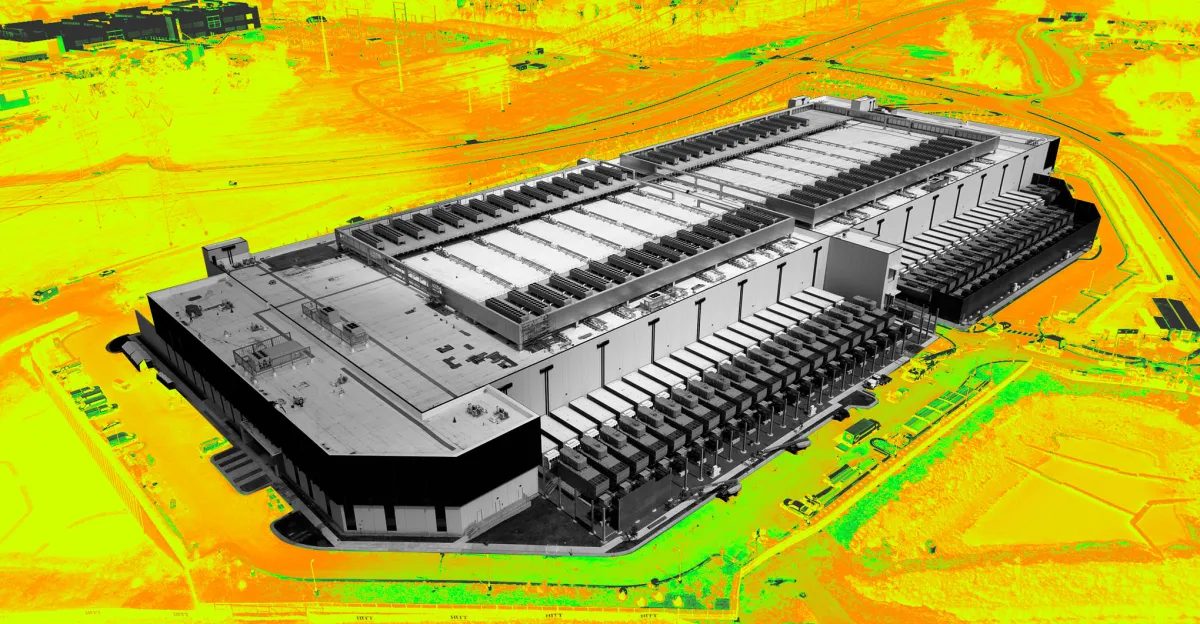
Photo: The Verge
Quick answer
Microsoft recorded a 25% rise in CO₂ emissions in 2025 (34 million tons) due to data center growth and discontinued renewable energy certificate purchases.
Microsoft released its 2025 sustainability report, revealing a 25% increase in carbon emissions, totaling 34 million metric tons of CO₂. The surge stems from the rapid expansion of data center infrastructure. In February 2025, the company discontinued the purchase of 'non-additive' renewable energy certificates, further impacting its emissions profile.
Previously, Microsoft had pledged to achieve carbon negativity by 2030, but current results show a significant deviation from this goal. The report highlights that demand for AI infrastructure is outpacing the adoption of sustainable energy, water, and material solutions. Competitors face similar challenges: Google reported a 25% emissions rise in its supply chain, while Amazon saw a 16% increase.
Experts attribute the growing energy consumption of data centers not only to cloud services but also to the rapid adoption of artificial intelligence technologies. Microsoft emphasizes the urgent need for innovative solutions to reduce its environmental footprint, though specific measures remain undisclosed.
Common questions
- Why did Microsoft's CO₂ emissions increase?
- The primary drivers were the rapid expansion of data centers and the discontinuation of renewable energy certificates, which previously offset emissions. Rising AI infrastructure demand further intensified the issue.
- What is Microsoft's carbon neutrality goal?
- The company aims to become carbon-negative by 2030, meaning it will remove more CO₂ from the atmosphere than it emits. However, current emission trends threaten this target.
- How do Microsoft's emissions compare to competitors?
- Google and Amazon also reported emission increases in their 2025 reports: Google by 25% and Amazon by 16%. All three companies attribute the rise to data center growth and AI technology adoption.
Dzen feed: /feed/dzen.xml · RSS: /feed.xml