
Samsung Unveils Nearly Invisible Seam on Galaxy Z Fold 8 Displays
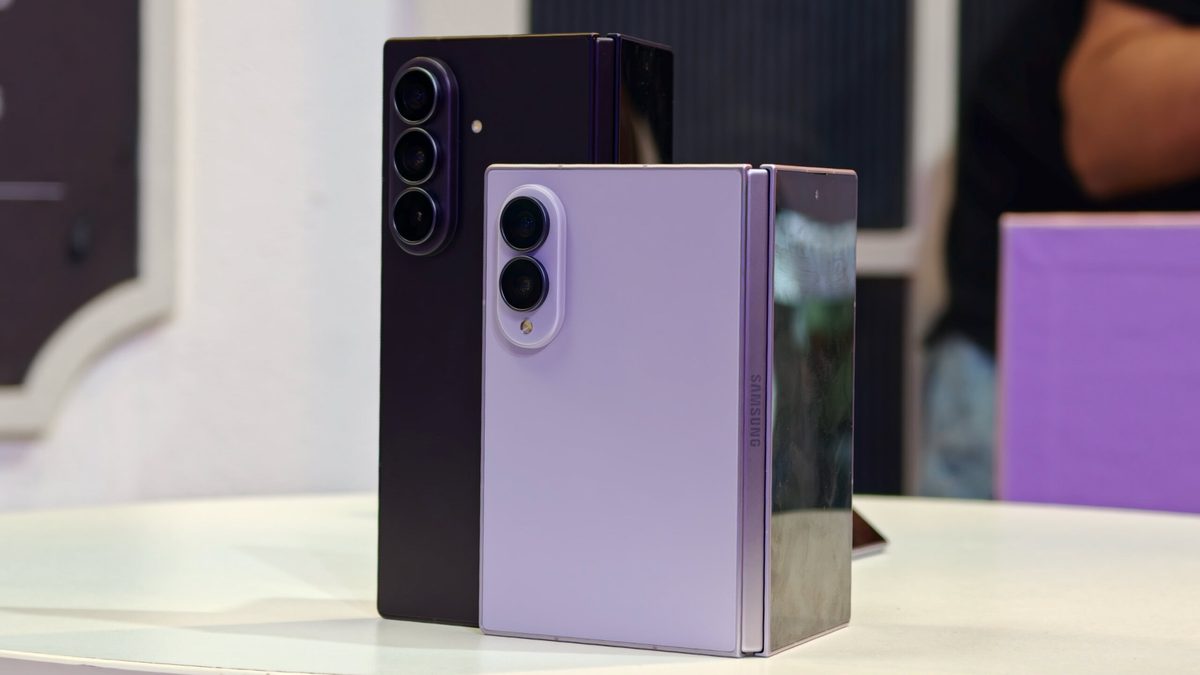
Photo: Android Authority
Quick answer
Samsung introduced Flex Titanium technology for Galaxy Z Fold 8 displays, replacing plastic film with a titanium alloy to enhance rigidity and reduce thickness.
Samsung has revealed details about the innovative technology used in the displays of its foldable smartphones, the Galaxy Z Fold 8. The primary innovation is the Flex Titanium structure, which replaces traditional plastic film with a titanium alloy. An additional reinforced titanium layer was added, creating a dual-layer design. According to the manufacturer, this increased display rigidity by 20 times while reducing overall thickness by 12%.
Engineers also optimized the hinge area by reducing gaps and using a denser adhesive layer. This ensured even stress distribution during folding and unfolding, minimizing the visibility of the seam. The new OLED panel features improved specifications: pixel density increased by 15% to 422 ppi, and energy efficiency improved by 10% thanks to Diamond Pixel technology optimization.
Users have already noted that the Galaxy Z Fold 8 display is more durable and nearly seam-free. These improvements underscore Samsung's commitment to advancing foldable devices and integrating them into the mainstream market.
Common questions
- What is Flex Titanium in Galaxy Z Fold 8?
- Flex Titanium is a dual-layer display structure where plastic film is replaced with a titanium alloy. It improves screen rigidity, reduces thickness, and makes the seam less visible.
- How did Samsung improve foldable smartphone displays?
- The company replaced plastic with titanium alloy, optimized hinge gaps, and used denser adhesive layers. This boosted durability, reduced thickness, and improved load distribution uniformity.
- What other improvements did the Galaxy Z Fold 8 display receive?
- Pixel density increased by 15% to 422 ppi, and energy efficiency rose by 10% due to Diamond Pixel optimization and a new OLED panel structure.
Dzen feed: /feed/dzen.xml · RSS: /feed.xml