Peppa Pig Scandal: Studios Demand Rights to Clone Children's Voices Using AI
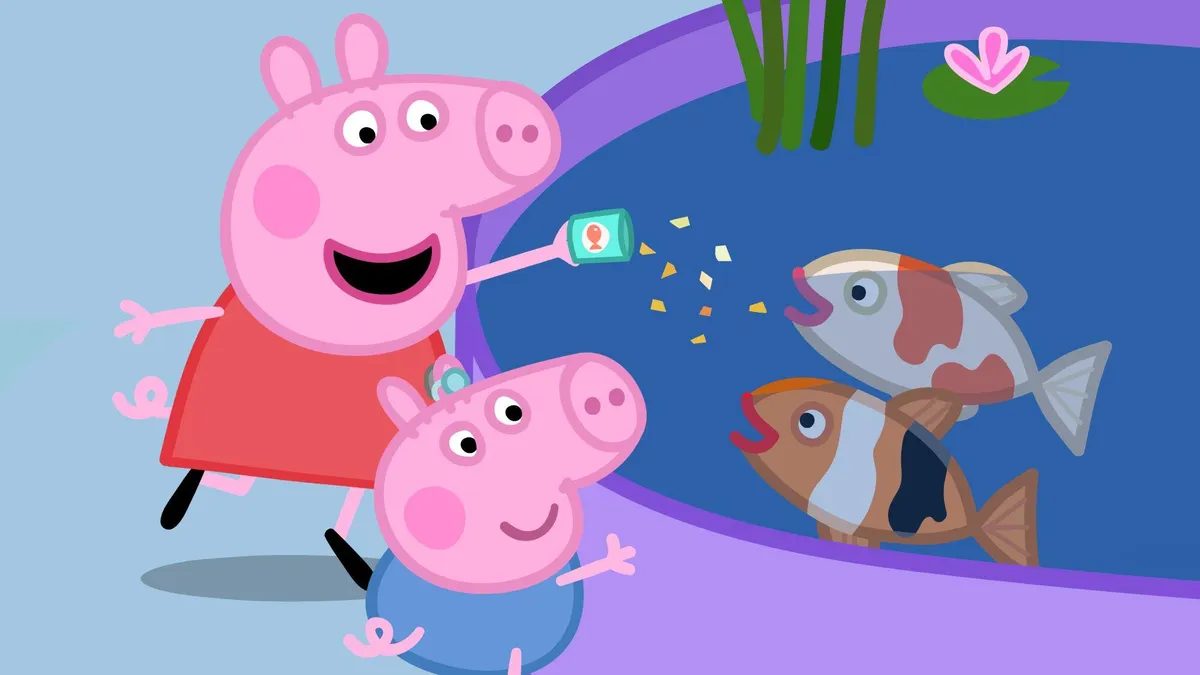
Photo: CNET
Quick answer
Hasbro, the owner of the Peppa Pig series, requested child voice actors to sign contracts allowing the use of their voices for AI clones, sparking criticism from the AYPA association.
Hasbro, the owner of the Peppa Pig animated series, has faced criticism after proposing that child voice actors sign contracts allowing the use of their voices for AI clones. The Agents of Young Performers Association (AYPA), which represents young actors in the UK, published an open letter calling such terms unacceptable. According to the letter's authors, children cannot provide full legal consent, and parental permission should not serve as the basis for the indefinite commercial use of a child's voice.
While the letter did not mention a specific project, industry sources confirmed it referred to Peppa Pig. Hasbro acknowledged the letter but declined to comment on the details of the negotiations. In an official statement, the company emphasized that protecting the rights of young performers is a priority and pledged to approach AI usage "responsibly and transparently."
The Peppa Pig situation is just one episode in the ongoing conflict between the entertainment industry and artificial intelligence technologies. In recent years, AI has sparked Hollywood strikes, legal battles in the music industry, and disputes in gaming. Studios see AI as a way to speed up production and cut costs, but actors and unions fear job losses and violations of performers' rights. Meanwhile, the lack of clear regulations leaves many questions about the future of creative professions.
Common questions
- Why did the Peppa Pig contract cause outrage?
- The contract required child actors to permit the use of their voices for AI clones without clear time limits. Critics argue that children cannot provide full consent, and parents should not sign away perpetual rights to a child's voice.
- How does the entertainment industry view AI?
- AI is a contentious issue: studios see it as a tool to accelerate production and reduce costs, while actors and unions fear job losses and rights violations. Conflicts include Hollywood strikes and legal battles in the music industry.
- What risks does AI voice cloning pose?
- Risks include uncontrolled use of voices without consent, job displacement for actors, and potential legal disputes due to the lack of clear regulations in this area.
Dzen feed: /feed/dzen.xml · RSS: /feed.xml