
Solar Mills in Kenya: How a Startup is Transforming Rural Business
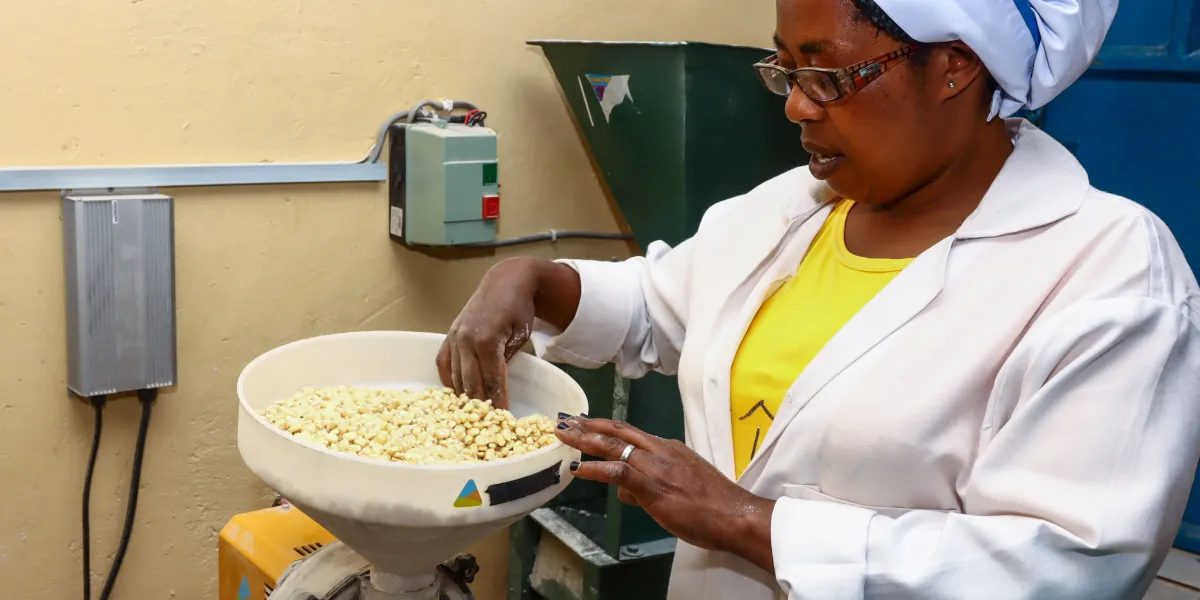
Photo: MIT Technology Review
Quick answer
Kenyan startup Agsol develops solar-powered mills to replace diesel-dependent grain processing for small businesses.
In Kenya, small businesses—particularly in rural areas—commonly use grain mills, most of which run on diesel fuel. This dependence increases costs and harms the environment. Agsol, a local startup, offers an alternative: solar-powered mills that can operate on solar energy or the grid.
Company founder Matt Carr regularly visits clients to gather feedback. Entrepreneur Wangiru noted that the new system occasionally slows down when processing moist grain, leading to clogs. Carr explained that this is due to the device’s algorithm, which automatically reduces speed for higher-quality grinding.
Despite these technical nuances, solar mills unlock new business opportunities. They reduce reliance on costly fuel and allow entrepreneurs to expand product offerings, attracting more customers. In the long term, such technologies could be a critical step toward sustainable development in Africa’s rural regions.
Common questions
- What benefits do solar mills offer to small businesses?
- Solar mills reduce reliance on diesel fuel, lower operational costs, and enable businesses to operate in areas with unstable power grids. This is particularly valuable for rural entrepreneurs.
- What challenges do Agsol’s solar mills face?
- The primary issue is slower processing when handling moist grain, which can cause clogs. Agsol is refining control algorithms to address this limitation.
- How do solar technologies impact business growth in Africa?
- Solar solutions provide affordable, eco-friendly energy, fostering small business expansion—especially in regions with limited infrastructure. This drives economic growth and reduces carbon emissions.
Dzen feed: /feed/dzen.xml · RSS: /feed.xml