
U.S. Exports Rare Earth Metals to Asia Amid Weak Domestic Demand
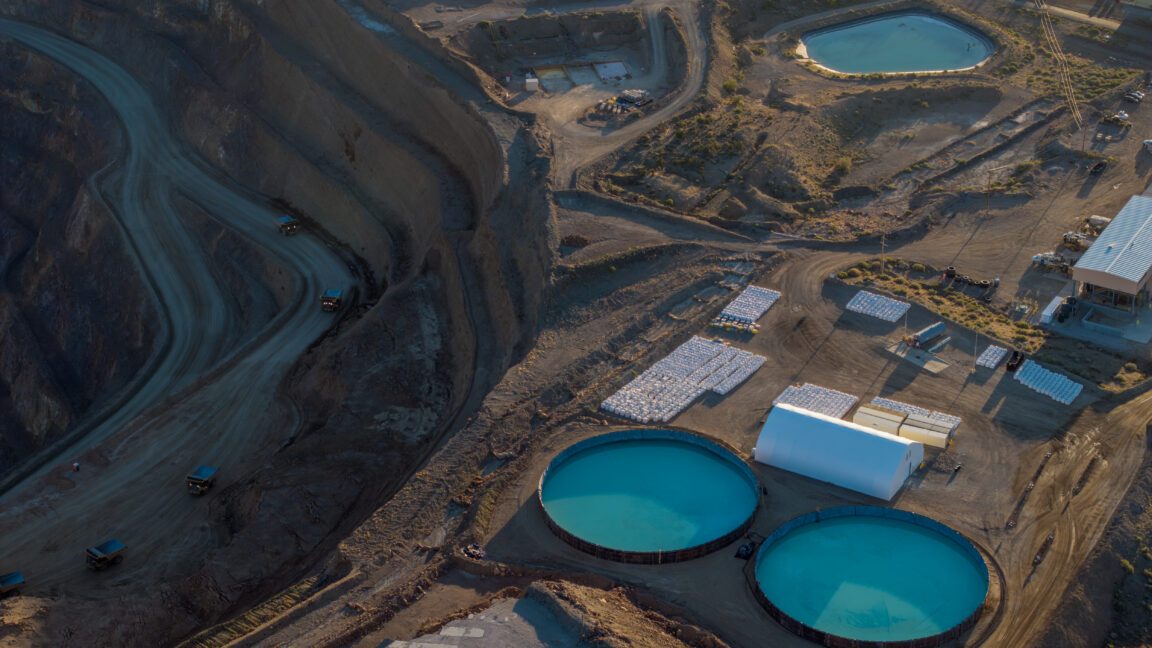
Photo: Ars Technica
Quick answer
The U.S. continues exporting rare earth metals to Japan and South Korea as domestic demand remains insufficient.
U.S. companies engaged in rare earth metal mining continue to export raw materials to Asian markets, despite government efforts to develop a domestic supply chain. Japan and South Korea remain the primary recipients of these resources, where demand significantly outpaces that of the U.S.
During Donald Trump's presidency, steps were taken to boost the domestic processing industry, including financial support for mining projects. However, sluggish domestic consumption has forced companies to seek buyers abroad.
Rare earth metals are critical for producing high-tech goods, including electronics, military equipment, and renewable energy technologies. The lack of advanced processing infrastructure in the U.S. creates risks of dependency on foreign suppliers, despite the presence of domestic deposits.
Common questions
- Why is the U.S. exporting rare earth metals to Asia?
- Domestic demand for rare earth metals in the U.S. remains too low to sustain a robust processing industry. As a result, mining companies prioritize exports to Japan and South Korea, where demand is higher.
- Which countries receive rare earth metals from the U.S.?
- Japan and South Korea are the primary importers of U.S. rare earth metals, driven by their advanced high-tech industries that rely on these resources.
- What measures have been taken to develop a domestic supply chain in the U.S.?
- The Trump administration supported mining projects and initiatives to build domestic processing infrastructure, but the domestic market has yet to generate sufficient demand.
Dzen feed: /feed/dzen.xml · RSS: /feed.xml