
U.S.: Solar Energy Dominates New Power Plants in 2024
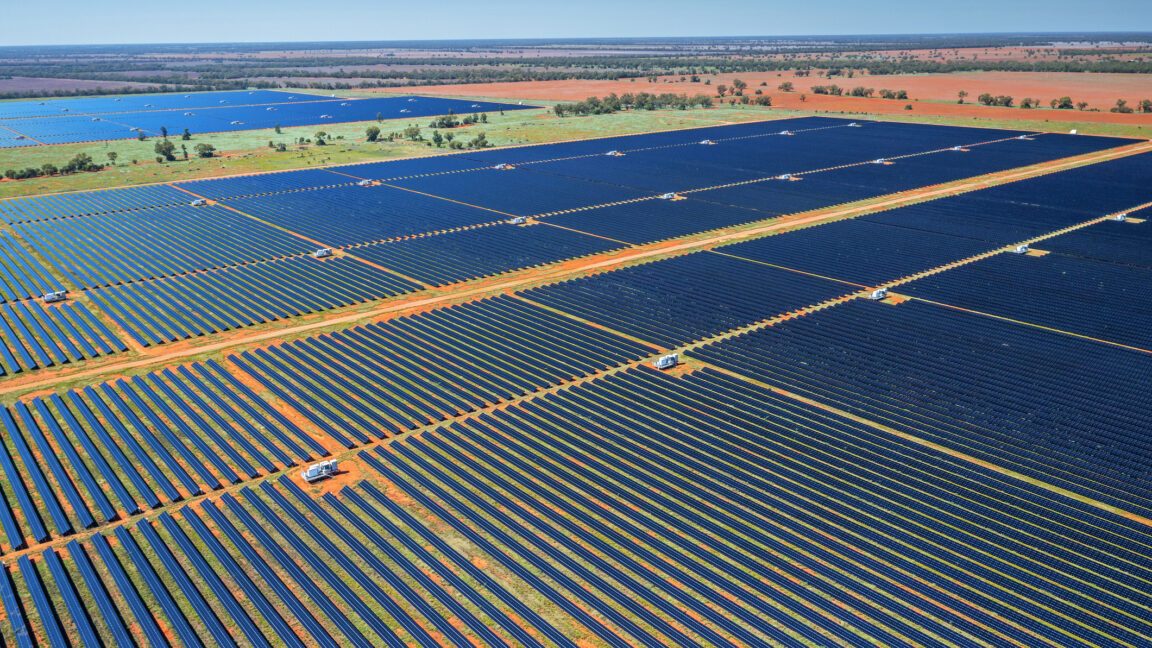
Photo: Ars Technica
Quick answer
In 2024, solar power plants accounted for the majority of new energy capacity in the U.S., outpacing battery storage and fossil fuels.
In 2024, the U.S. energy landscape underwent a significant transformation, with solar power plants emerging as the primary source of new capacity. According to analysis, they surpassed all other generation types, including both traditional and renewable sources.
The second major trend was the rapid adoption of battery-based energy storage systems. These technologies help smooth out fluctuations in electricity generation from solar and wind farms, enhancing grid reliability.
Traditional energy sources, such as gas and coal power plants, contributed almost no new capacity this year. This reflects a long-term shift toward decarbonization and sustainable energy development.
Experts attribute the surge in solar power not only to technological advancements but also to economic factors. Declining equipment costs and government incentives have made solar projects far more attractive to investors.
Common questions
- Which energy sources dominate new U.S. power capacity in 2024?
- Solar power plants lead new U.S. energy capacity in 2024, followed by battery storage systems. Fossil fuels, including gas and coal, represent a minimal share of new projects.
- Why is solar energy growing faster than other sources?
- Solar energy is expanding rapidly due to falling technology costs, government incentives, and rising demand for clean energy, making it more competitive than traditional generation methods.
- What role do battery storage systems play in the U.S. energy grid?
- Battery storage is becoming a critical component of the energy grid, stabilizing supply and storing excess energy from renewables. Its growth is accelerating alongside solar and wind power expansion.
Dzen feed: /feed/dzen.xml · RSS: /feed.xml