
Semiconductor Manufacturers' Strategies on Mature Process Nodes: GlobalFoundries, UMC, and SMIC
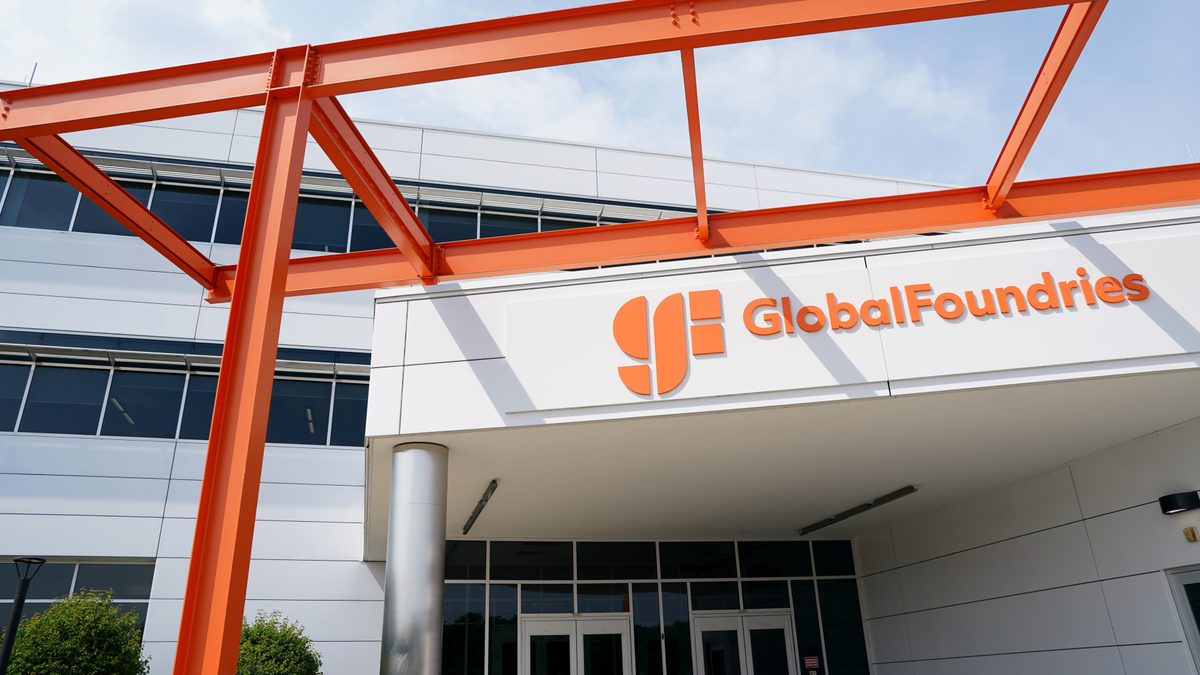
Photo: Tom's Hardware
Quick answer
GlobalFoundries, UMC и SMIC контролируют 13,5% рынка микросхем на зрелых техпроцессах (1,7 трлн ₽). Каждая компания развивает уникальную стратегию: GF — специализированные решения, UMC — сотрудничество с Intel, SMIC —…
The contract manufacturing market for mature process nodes (12nm and above) remains essential for industries such as automotive electronics, AI server power systems, RF modules, display drivers, and industrial controllers. While TSMC holds nearly 70% of the advanced process market, three other players—GlobalFoundries, UMC, and SMIC—jointly control about 13.5% of the global market, generating 1,7 трлн ₽ in revenue. Each company pursues a distinct strategy influenced by geographic and regulatory factors.
GlobalFoundries, having abandoned advanced process development in 2018, now focuses on specialized solutions. In 2025, the company reported 484,6 млрд ₽ in revenue, with its automotive electronics segment growing 17% to 100 млрд ₽. Key technologies include 22FDX (FD-SOI for IoT and automotive radars), 45RFSOI (for 5G modules), and silicon photonics. The company is also expanding its IP portfolio, offering customers ready-to-use RISC-V and ARC-based processor cores.
UMC, meanwhile, is actively developing its 22nm processes, which now account for 14% of its revenue. The company dominates the display driver market (over 90%) and is preparing to launch a 12nm FinFET process in collaboration with Intel, slated for 2027. This project will enable UMC to achieve new levels of performance and energy efficiency. SMIC, China’s largest contract manufacturer, continues to expand its mature process capacity despite sanctions. In 2025, the company increased revenue by 16.2% to 665,9 млрд ₽, though equipment supply restrictions hinder advanced process development.
Demand for mature process chips remains stable due to growth in automotive electronics, AI infrastructure, and industrial applications. As TSMC reallocates capacity to advanced solutions, a shortage in mature process nodes has emerged. In response, manufacturers like UMC and GlobalFoundries plan to raise prices by 10% in the coming months.
Common questions
- Какие компании доминируют на рынке микросхем зрелых техпроцессов?
- GlobalFoundries, UMC и SMIC контролируют около 13,5% мирового рынка микросхем на зрелых техпроцессах (от 12 нм и выше), генерируя совокупный доход в 1,7 трлн ₽.
- Какую стратегию развивает GlobalFoundries на рынке микросхем?
- GlobalFoundries сосредоточилась на специализированных решениях для США и Европы, включая технологии 22FDX, 45RFSOI и кремниевую фотонику, а также расширяет портфель IP-решений на базе RISC-V и ARC.
- Как UMC планирует выйти на новые техпроцессы?
- UMC развивает 22-нм техпроцессы и готовится к запуску 12-нм FinFET-техпроцесса в сотрудничестве с Intel, запланированного на 2027 год.
- Почему SMIC наращивает мощности на зрелых техпроцессах?
- SMIC, крупнейший китайский контрактный производитель, увеличивает мощности на зрелых техпроцессах (несмотря на санкции), так как спрос на такие микросхемы стабилен, а ограничения сдерживают развитие передовых техпроцессов.
Dzen feed: /feed/dzen.xml · RSS: /feed.xml