
Tesla Starts Production of AI5 Chip on Samsung's 2nm Process
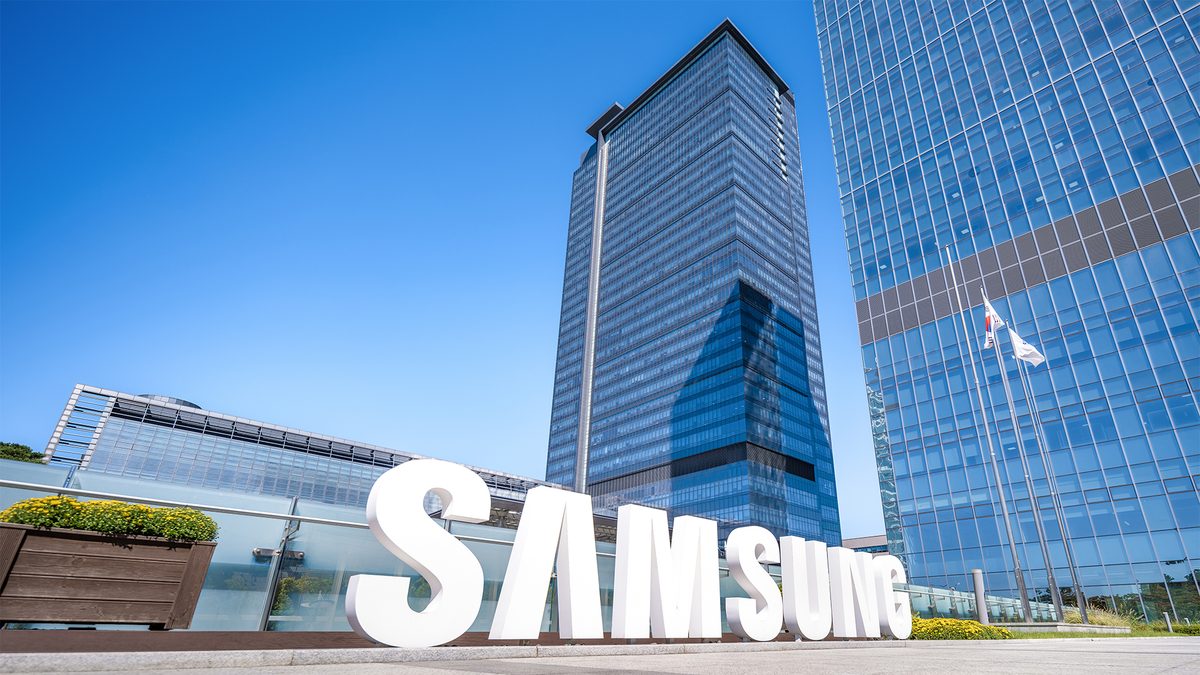
Photo: Tom's Hardware
Quick answer
Tesla and Samsung Foundry have launched mass production of the AI5 chip on a 2nm process for use in vehicles, robots, and data centers.
Tesla is nearing the final stages of mass-producing its new AI5 chip. Leading Samsung Foundry engineer James Kim confirmed in a LinkedIn post that the processor has completed the critical tape-out phase and will be manufactured at Samsung's Taylor plant using a 2nm process. This milestone enables Tesla to integrate AI5 into its latest products in the near future.
Earlier, Elon Musk showcased an AI5 sample, noting that the chip will be produced simultaneously at TSMC and Samsung Foundry facilities. While the TSMC version was ready months earlier, both foundries have now commenced production. The AI5 chip integrates a compact accelerator and 12 SK hynix GDDR6 or GDDR7 memory modules, delivering a 384-bit bus and bandwidth of up to 1.5 TB/s.
While Tesla has not disclosed AI5's exact performance specifications, Musk previously hinted at a potential 40x speed increase in select tasks compared to prior-generation chips. The AI5 is expected to become one of the most widely deployed processors in history, powering not only Tesla's vehicles but also its Optimus robots and data centers.
*** LinkedIn is restricted in the Russian Federation.
Common questions
- What is Tesla's AI5 chip?
- AI5 is Tesla's specialized AI-focused processor designed for artificial intelligence tasks. It will power the company's vehicles, robots, and data centers.
- What manufacturing process is used for AI5?
- The AI5 chip is produced using Samsung Foundry's 2nm process, alongside TSMC's facilities. This represents one of the most advanced semiconductor manufacturing nodes in the industry.
- What advantages does AI5 offer over previous chips?
- According to Elon Musk, AI5 delivers up to 40x performance improvements in specific tasks. The chip features a 384-bit memory bus and supports ultra-high bandwidth, enabling seamless AI workloads.
Dzen feed: /feed/dzen.xml · RSS: /feed.xml