
Tesla Launches Cybercab: Steering Wheel-Free Autonomous Taxi
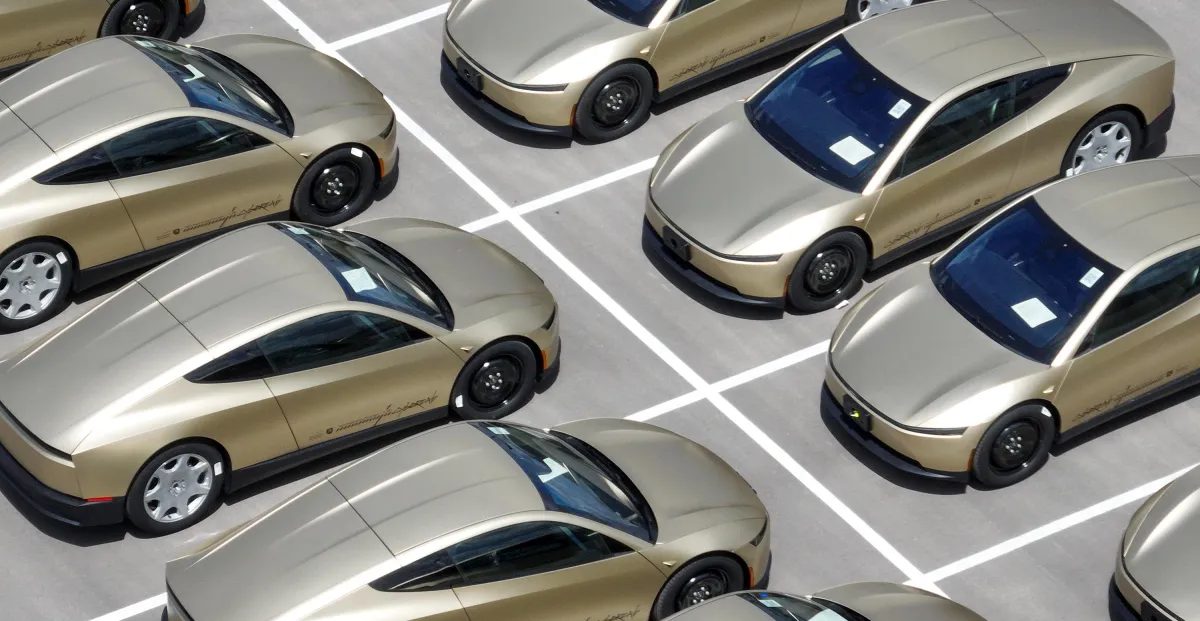
Photo: The Verge
Quick answer
Tesla’s Cybercab autonomous taxi launches in Austin, but experts raise concerns over its lack of steering wheel and pedals, insufficient training data, and unresolved safety issues.
Tesla is preparing for the public launch of its autonomous taxi, Cybercab, in Austin, Texas. The two-seater vehicle, designed without a steering wheel or pedals, marks a critical milestone in the company’s strategy to build a fully robotic ride-hailing fleet. However, experts and regulators question whether the technology is ready for safe deployment on public roads.
According to The Information, Tesla plans to begin Cybercab operations this month. In recent months, test vehicles with steering wheels have been spotted on roads across the U.S., while fully autonomous prototypes have been tested on closed tracks since July. Austin city officials confirmed that Tesla has trained emergency services to interact with the vehicle during potential incidents.
Cybercab relies on Tesla’s Full Self-Driving (Supervised) system, which the company claims is safer than human driving. Independent experts and the U.S. National Highway Traffic Safety Administration (NHTSA) dispute these assertions, noting that the system requires constant driver oversight and has faced scrutiny over traffic violations. Unlike other Tesla projects, Cybercab will not have a human operator inside, raising the stakes for reliability.
A major challenge remains the volume of data required to train the autonomous system. Elon Musk acknowledged that Cybercab needs unique datasets, distinct from those collected by Tesla’s production vehicles. To date, the company’s autonomous taxis have logged just 380,000 miles across six cities, while competitor Waymo has surpassed 220 million miles in fully autonomous mode. To address connectivity issues, Tesla has integrated Starlink satellite communication into Cybercab, though experts doubt its effectiveness for emergency remote control.
The launch of Cybercab coincides with waning interest in autonomous driving technologies. Unlike previous Tesla models, this vehicle is exclusively designed for commercial use. However, the absence of traditional controls creates legal hurdles: federal regulations require pedals and rearview mirrors for private vehicle sales. Tesla may seek exemptions from regulators, but it remains unclear whether approval will be granted.
Common questions
- How does Cybercab differ from other Tesla vehicles?
- Cybercab is a fully autonomous taxi without a steering wheel or pedals, designed for commercial ride-hailing. Unlike other Tesla models, it is not intended for personal ownership and is remotely operated.
- What risks are associated with Cybercab’s launch?
- Key risks include insufficient training data for the autonomous system, signal latency in remote control, and the absence of independent safety assessments. Federal regulators are also investigating traffic violations linked to the technology.
- How does Tesla address remote control connectivity?
- Tesla integrated Starlink satellite communication into Cybercab to ensure stable connectivity for remote operators, who can take control in emergencies.
Dzen feed: /feed/dzen.xml · RSS: /feed.xml