
Smart Locks with Facial Recognition: The Future of Access Control
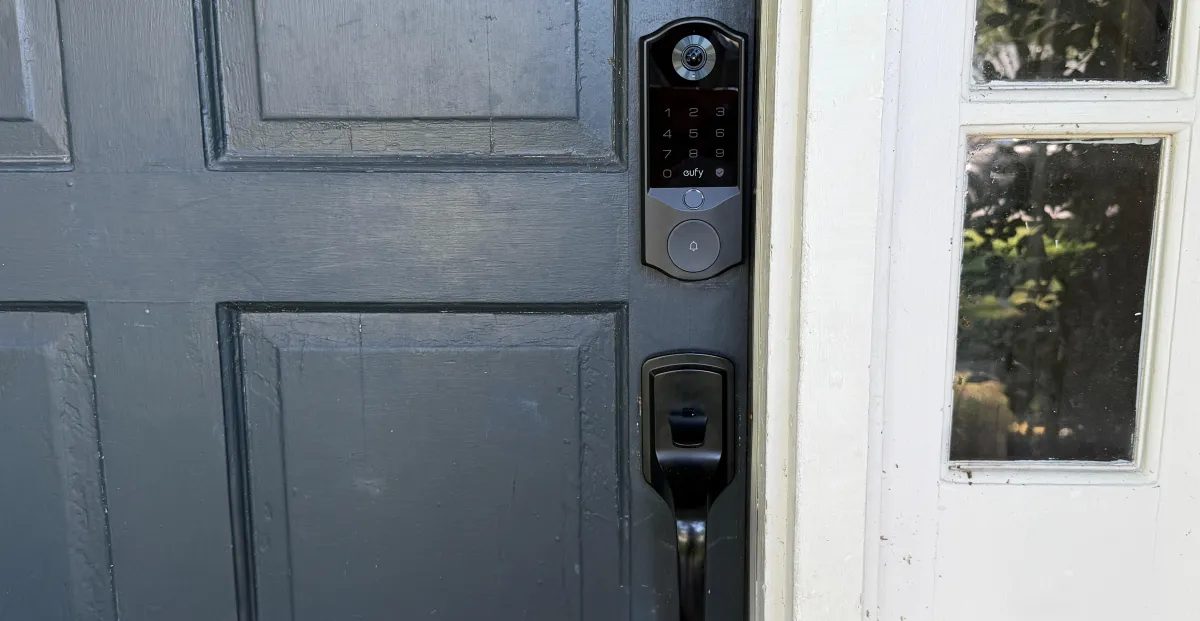
Photo: platform.theverge.com
Quick answer
Smart locks with facial recognition offer contactless access, significantly improving convenience and speed for entering secured premises.
Smart locks with facial recognition are transitioning from experimental prototypes to practical solutions for home and office security. The key advantage of this technology is the elimination of physical keys or passwords. Simply approaching the door allows the system to automatically identify the user and grant access without additional steps.
Manufacturers are refining recognition algorithms to minimize false positives. Modern models can distinguish real faces from photos or masks and adapt to appearance changes like glasses or beards. However, experts warn that biometric data requires robust protection, as leaks could have severe consequences.
Integration with smart home ecosystems is another major benefit. Users can manage access via smartphone apps, set temporary guest codes, or sync the lock with other devices like security cameras. This makes the technology appealing not only for private homes but also for offices and commercial properties.
Despite their advantages, facial recognition smart locks have limitations. They rely on a stable power supply—outages or drained batteries can disable the system. Additionally, some countries impose legal restrictions on biometric data usage, complicating deployment in certain regions.
Common questions
- How do smart locks with facial recognition work?
- These locks use cameras and computer vision algorithms to identify users. Upon recognizing a face, the device automatically unlocks the door, eliminating the need for keys or passwords.
- Are facial recognition smart locks secure?
- Security depends on algorithm quality and data protection. Modern models feature encryption and multi-factor authentication, though risks of hacking or biometric spoofing persist.
- Can these locks integrate with other smart devices?
- Yes, most models support integration with smart home platforms like Apple HomeKit, Google Home, and Amazon Alexa, enabling unified access management through a single interface.
Dzen feed: /feed/dzen.xml · RSS: /feed.xml