
Unique Satellite Rescue Mission: High Risk, High Reward
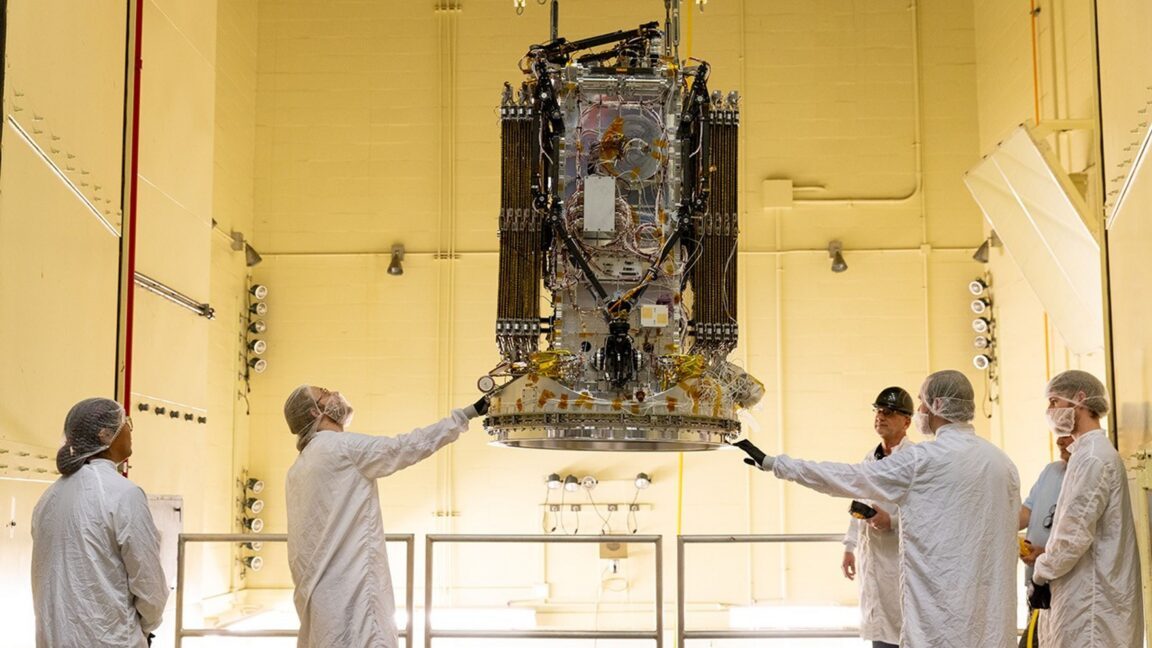
Photo: Ars Technica
Quick answer
Engineers launched a groundbreaking satellite rescue mission under extreme time constraints. Technical challenges and uncharted territory cast doubt on success, yet the attempt is already hailed as a breakthrough for…
Aerospace engineers have undertaken an unprecedented effort to rescue a satellite in critical condition. The mission was designed and executed in record time, a technical achievement in itself. Experts note that even if the operation does not meet all objectives, its execution expands the boundaries of what is possible in the space industry.
The main challenge lies in the absence of pre-existing solutions for such scenarios. The team had to improvise using limited resources and data. Every stage of the mission requires meticulous control, as even minor errors could result in the loss of the satellite.
Despite the high risks, project participants emphasize the importance of this attempt. Even partial success would yield valuable data for future rescue missions. A complete success could set a new standard for emergency response in space.
Common questions
- Why is this satellite rescue mission considered unique?
- The mission is unprecedented due to its record-breaking preparation timeline and lack of historical analogs. Engineers faced technical challenges that had never been addressed in this manner before.
- What risks does this operation entail?
- The primary risks stem from untested technologies and unpredictable space conditions. Even partial success would mark a critical advancement for the industry.
- How would mission success benefit the space industry?
- Success would validate rapid emergency response capabilities in space and unlock new possibilities for future satellite rescue operations.
Dzen feed: /feed/dzen.xml · RSS: /feed.xml